If your doctor has recommended a pacemaker, you probably have many questions running through your mind. Will I feel it? Is the surgery risky? Can I live a normal life afterward? These concerns are completely natural.
A pacemaker is a small, life-saving device that has helped millions of people worldwide live fuller, more active lives. In this comprehensive guide, Dr. Shailesh Singh explains everything you need to know about pacemakers in simple, clear terms.
In This Article
What Is a Pacemaker?
A pacemaker is a small electronic device—about the size of a large coin or matchbox—that helps control your heartbeat. Think of it as a backup generator for your heart's electrical system.
Your heart has a natural pacemaker called the sinoatrial (SA) node. This tiny cluster of cells sends electrical signals that tell your heart when to beat. Sometimes, this natural system doesn't work properly, causing your heart to beat too slowly (a condition called bradycardia). When this happens, an artificial pacemaker steps in to keep your heart beating at the right pace.
Key Fact
According to research published in NEJM Evidence (2025), pacemakers are critical in the management of bradyarrhythmias and have significantly improved patient outcomes over decades of use.
How Does a Pacemaker Work?
A pacemaker continuously monitors your heart rhythm. When it detects that your heart is beating too slowly or skipping beats, it sends tiny electrical pulses through thin wires (called leads) to stimulate your heart muscle and restore a normal rhythm.
Modern pacemakers are incredibly smart. They only send signals when needed—if your heart is beating normally on its own, the pacemaker simply watches and waits. This "on-demand" pacing helps preserve battery life and lets your heart work naturally whenever possible.
The Two Main Parts of a Pacemaker:
- 1 Generator (Pulse Generator): The "brain" of the device containing the battery and computer chip. Placed under the skin below your collarbone.
- 2 Leads (Wires): Thin, insulated wires that connect the generator to your heart chambers and deliver the electrical pulses.
Who Needs a Pacemaker?
Your cardiologist may recommend a pacemaker if you have:
Sick Sinus Syndrome
Your heart's natural pacemaker isn't working properly, causing your heart rate to alternate between too slow and too fast.
Heart Block
The electrical signals between the upper and lower chambers of your heart are delayed or blocked. This can be partial (first or second-degree block) or complete (third-degree or complete heart block).
Bradycardia (Slow Heart Rate)
Your heart beats fewer than 60 times per minute, causing symptoms like:
- Dizziness or lightheadedness
- Fainting spells (syncope)
- Extreme fatigue
- Shortness of breath
- Confusion or memory problems
- Difficulty exercising
Heart Failure
In certain cases, a special type of pacemaker called a cardiac resynchronization therapy (CRT) device helps both sides of your heart beat together more efficiently.
Types of Pacemakers
Single-Chamber Pacemaker
This type has one lead that connects to either the right atrium (upper chamber) or the right ventricle (lower chamber) of your heart. It's typically used when only one chamber needs pacing support.
Dual-Chamber Pacemaker
With two leads—one in the atrium and one in the ventricle—this pacemaker coordinates the timing between your heart's upper and lower chambers. This mimics your heart's natural rhythm more closely and is the most commonly implanted type.
Biventricular Pacemaker (CRT)
Also called a cardiac resynchronization therapy device, this has three leads: one in the right atrium and one in each ventricle (right and left). It's designed for patients with heart failure, helping both lower chambers pump in sync to improve the heart's efficiency.
Leadless Pacemaker (Newest Technology)
A tiny, self-contained device (about the size of a large vitamin capsule) that's placed directly inside the heart through a catheter—no chest incision or leads required.
According to a 2024 study published in Cardiovascular Diagnosis and Therapy, leadless pacemakers have shown excellent safety profiles with 100% successful implantation rates and very low complication rates.
The Pacemaker Implantation Procedure
Understanding what happens during pacemaker surgery can help ease your anxiety. Here's a step-by-step walkthrough:
Before the Procedure
- You'll typically fast for 6-8 hours before surgery
- Blood tests and a chest X-ray may be done
- You'll receive local anesthesia and possibly mild sedation to help you relax
- An IV line will be placed in your arm
During the Procedure
- 1. Incision: Your doctor makes a small cut (about 5-7 cm) just below your collarbone, usually on the left side.
- 2. Lead Placement: Using X-ray guidance (fluoroscopy), thin, flexible wires are threaded through a vein and positioned in the appropriate chambers of your heart.
- 3. Testing: The leads are tested to ensure they're sensing your heart's signals properly and delivering the right amount of electrical stimulation.
- 4. Generator Placement: The pacemaker generator is connected to the leads and placed in a small pocket created under your skin.
- 5. Closure: The incision is closed with stitches or surgical glue.
The entire procedure typically takes 1-2 hours. Most patients remain awake but comfortable throughout.
After the Procedure
In the Hospital:
- • Monitored for a few hours in recovery
- • Chest X-ray confirms proper lead placement
- • Pacemaker programmed to your specific needs
- • Most patients go home same day or next morning
What You'll Receive:
- • Pacemaker identification card
- • Instructions for wound care
- • Prescriptions if needed
- • Follow-up appointment schedule
Recovery at Home: What to Expect
The First Week
- • Keep the incision area clean and dry
- • Avoid raising your arm above shoulder level on the pacemaker side
- • Don't lift anything heavier than 2-3 kg
- • Mild bruising and discomfort at the site are normal
- • Take pain medications as prescribed
The First Month
- • Gradually resume light activities
- • Avoid strenuous exercise, golf swings, or swimming
- • Don't drive for at least one week (your doctor will advise when it's safe)
- • Attend your follow-up appointment (usually at 1-2 weeks)
After One Month
Most patients can return to all normal activities, including work, driving, exercise (with doctor's approval), travel, and sexual activity.
Living with a Pacemaker
A pacemaker allows most people to live completely normal, active lives. However, there are some precautions to keep in mind:
Electronic Devices
✓ Safe to Use Normally:
- • Mobile phones (hold on opposite ear)
- • Microwave ovens
- • Televisions and computers
- • Electric blankets
- • Household appliances
⚠ Use with Caution:
- • Keep phones at least 15 cm from pacemaker
- • Inform airport security staff
- • Don't linger near anti-theft systems
- • Stay away from large magnets
- • MRI requires special precautions
Sports and Exercise
Most physical activities are encouraged! Regular exercise is excellent for heart health. Just avoid:
- Contact sports that could damage your pacemaker (rugby, boxing)
- Activities with sudden arm movements that might dislodge leads in the first 6 weeks
Important Reminder
Always carry your pacemaker identification card. Inform all healthcare providers—including dentists—that you have a pacemaker before any medical procedure.
Pacemaker Checks and Battery Life
Regular Monitoring
Your pacemaker needs regular checkups—typically every 3-6 months. These can be done:
- In the clinic: A special device placed over your pacemaker reads its data, checks battery life, and ensures it's working properly.
- Remotely: Many modern pacemakers can transmit data from your home to your doctor's office, reducing the need for frequent hospital visits.
Battery Life
Pacemaker batteries typically last 8-15 years, depending on:
- How often the pacemaker needs to work
- The type of device
- Your individual heart rhythm needs
When the battery runs low, your doctor can detect it months in advance during routine checks. The entire generator is then replaced in a relatively simple procedure—usually less complicated than the original implantation.
Potential Risks and Complications
Pacemaker implantation is generally very safe. According to nationwide data from the United States, complication rates have decreased significantly over time as technology and surgical techniques have improved.
During or Shortly After Surgery:
- • Bleeding or bruising at incision site
- • Infection (uncommon, ~1-2%)
- • Collapsed lung (rare)
- • Blood clots (rare)
Later Complications:
- • Lead displacement
- • Device malfunction (rare)
- • Allergic reaction (very rare)
Most complications are minor and treatable. Serious complications are uncommon.
Call Your Cardiologist Immediately If You Experience:
- • Fever or signs of infection at the incision site (redness, swelling, discharge)
- • Chest pain or difficulty breathing
- • Dizziness or fainting
- • Hiccups that won't stop (may indicate lead displacement)
- • Arm swelling on the pacemaker side
- • Your heart feels like it's racing or skipping beats
Frequently Asked Questions
Is pacemaker surgery painful? ▼
The procedure itself is not painful because you receive local anesthesia to numb the area. You may feel some pressure or pulling sensations, but you shouldn't feel sharp pain. After surgery, mild discomfort and soreness at the incision site is normal and can be managed with simple pain medications.
How long does pacemaker implantation take? ▼
The procedure typically takes 1-2 hours. Single-chamber pacemakers are faster to implant, while biventricular (CRT) devices may take a bit longer. Most patients go home the same day or the next morning.
Will I feel my pacemaker working? ▼
Most people don't feel their pacemaker's electrical pulses at all. Occasionally, some patients notice a slight sensation when the device paces, but this is uncommon with modern devices that are programmed to deliver very small, precise amounts of energy.
Can I travel by airplane with a pacemaker? ▼
Yes! Air travel is completely safe with a pacemaker. Simply inform security staff that you have an implanted device. You may request a hand search instead of walking through the metal detector, though briefly passing through security gates is generally safe for modern pacemakers.
Can I have an MRI with a pacemaker? ▼
Many newer pacemakers are MRI-compatible (called "MRI-conditional"). However, you should always inform the MRI facility that you have a pacemaker. Your cardiologist can confirm whether your specific device is MRI-safe and may need to adjust settings before and after the scan.
How often do I need checkups after getting a pacemaker? ▼
Typically, you'll have a checkup about 2 weeks after implantation, then every 3-6 months. Many modern pacemakers offer remote monitoring, so some checkups can be done from the comfort of your home.
What happens when the battery runs out? ▼
Your doctor monitors battery life during regular checkups and can predict when it will need replacement months in advance. When the time comes, only the generator (containing the battery) is replaced—the leads usually stay in place. This is a shorter, simpler procedure than the original implantation.
Can I exercise with a pacemaker? ▼
Absolutely! In fact, exercise is encouraged for heart health. After the initial recovery period (about 4-6 weeks), most patients can resume all physical activities. Avoid contact sports that could damage the device, and always follow your doctor's specific recommendations.
Will my pacemaker affect my daily life? ▼
For most people, life with a pacemaker is essentially normal. You can work, drive, travel, exercise, and enjoy all your usual activities. The device works silently in the background, allowing you to focus on living your life to the fullest.
Will my pacemaker set off metal detectors? ▼
Pacemakers may trigger some metal detectors. Carry your device identification card and show it to security personnel. Walk through security gates at a normal pace—don't linger in them.
Conclusion
A pacemaker is a remarkable piece of technology that has transformed the lives of millions of people with heart rhythm disorders. While the thought of having a device implanted in your chest may seem daunting, the procedure is safe, well-established, and offers tremendous benefits.
If you've been told you need a pacemaker, remember: this device is designed to help you live a longer, more active, and better quality life. With proper care and regular follow-ups, your pacemaker will be a reliable partner in keeping your heart beating strong for years to come.
"A pacemaker isn't just a device—it's a second chance at living life fully. Patients often tell me they feel better than they have in years after implantation because their heart is finally beating the way it should."
References
- Aldaas OM, Roberge-Lacharite AS, Birgersdotter-Green U. Pacemakers. NEJM Evidence. 2025;4(7):EVIDra2400323. PMID: 40552960
- Elbanhawy N, Chalil S, Abozguia K. Bradyarrhythmias for the Internist. Medical Clinics of North America. 2019;103(5):897-912. PMID: 31378333
- Vincent L, et al. Early trends in leadless pacemaker implantation: Evaluating nationwide in-hospital outcomes. Heart Rhythm. 2022;19(8):1334-1342. PMID: 35430342
- Yan L, et al. Efficacy and safety of leadless ventricular pacemaker: a single-center retrospective observational study. Cardiovascular Diagnosis and Therapy. 2024;14(5):878-889. PMID: 39513134
- Lau EW. Technologies for Prolonging Cardiac Implantable Electronic Device Longevity. Pacing and Clinical Electrophysiology. 2017;40(1):75-96. PMID: 27943326
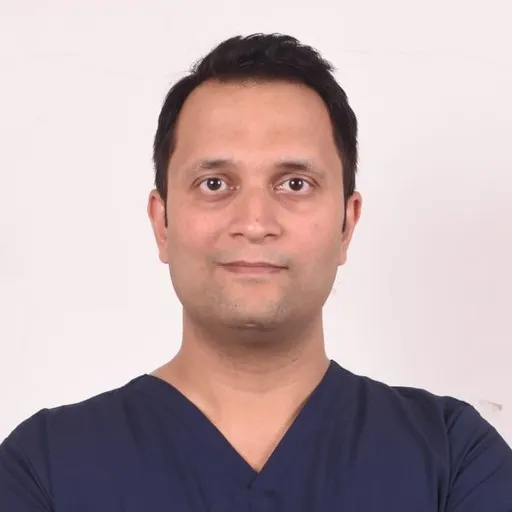
About the Author
Dr. Shailesh Singh is a Senior Consultant Interventional Cardiologist at BLK-Max Super Speciality Hospital, New Delhi, and formerly Consultant at Fortis Escorts Heart Institute. With extensive experience in pacemaker implantation and cardiac device management, he has helped hundreds of patients regain their quality of life through advanced cardiac pacing solutions.
Learn more about Dr. Singh →Book a Consultation
If you have concerns about your heart rhythm or have been advised to consider a pacemaker, Dr. Shailesh Singh is available for consultation.
Hospital: BLK-Max Super Speciality Hospital, New Delhi | Formerly Consultant, Fortis Escorts Heart Institute
Medical Disclaimer: This article is for informational purposes only and should not be considered medical advice. Every patient's situation is unique. Always consult with a qualified healthcare provider for diagnosis and treatment of any medical condition.