
When you hear "cholesterol," you might think of something bad for your health. But here's the surprising truth: your body needs cholesterol to survive. This waxy, fat-like substance helps build healthy cells, produce hormones, and digest food.
The problem isn't cholesterol itself—it's having too much of the wrong kind. Understanding the difference between "good" and "bad" cholesterol can help you protect your heart and prevent serious health problems.
In This Article
What is Cholesterol?
Cholesterol is a type of fat (lipid) found in your blood. Your liver makes all the cholesterol your body needs, but you also get cholesterol from animal-based foods like meat, eggs, and dairy products.
Because cholesterol can't dissolve in blood, it travels through your bloodstream in small packages called lipoproteins. These packages are made of fat (lipid) on the inside and proteins on the outside.
Two main types of lipoproteins carry cholesterol:
- • LDL (Low-Density Lipoprotein) — Often called "bad" cholesterol
- • HDL (High-Density Lipoprotein) — Often called "good" cholesterol
LDL: The "Bad" Cholesterol
LDL cholesterol earns its bad reputation because of what it does when levels get too high.
When you have too much LDL in your blood, it can build up on the walls of your arteries. Over time, this buildup (called plaque) makes your arteries narrower and stiffer—a condition called atherosclerosis.
Think of it like rust building up inside water pipes. Eventually, the pipes get clogged and water can't flow properly. In your body, when arteries become clogged:
- • Blood flow to your heart is reduced, causing chest pain (angina)
- • If a plaque ruptures and forms a clot, it can cause a heart attack
- • Similar blockages in brain arteries can cause a stroke
Research published in the European Heart Journal confirms that LDL cholesterol is one of the most important causal factors for atherosclerotic cardiovascular disease. The higher your LDL, the greater your risk.
HDL: The "Good" Cholesterol
HDL cholesterol works like a cleanup crew in your blood vessels. It picks up excess cholesterol from your arteries and carries it back to your liver, where it's processed and removed from your body.
This protective action is why higher HDL levels are generally associated with lower heart disease risk. HDL essentially helps remove the "bad" cholesterol before it can cause harm.
Key point: While high HDL is generally good, focusing on lowering LDL remains the most proven strategy for reducing heart disease.
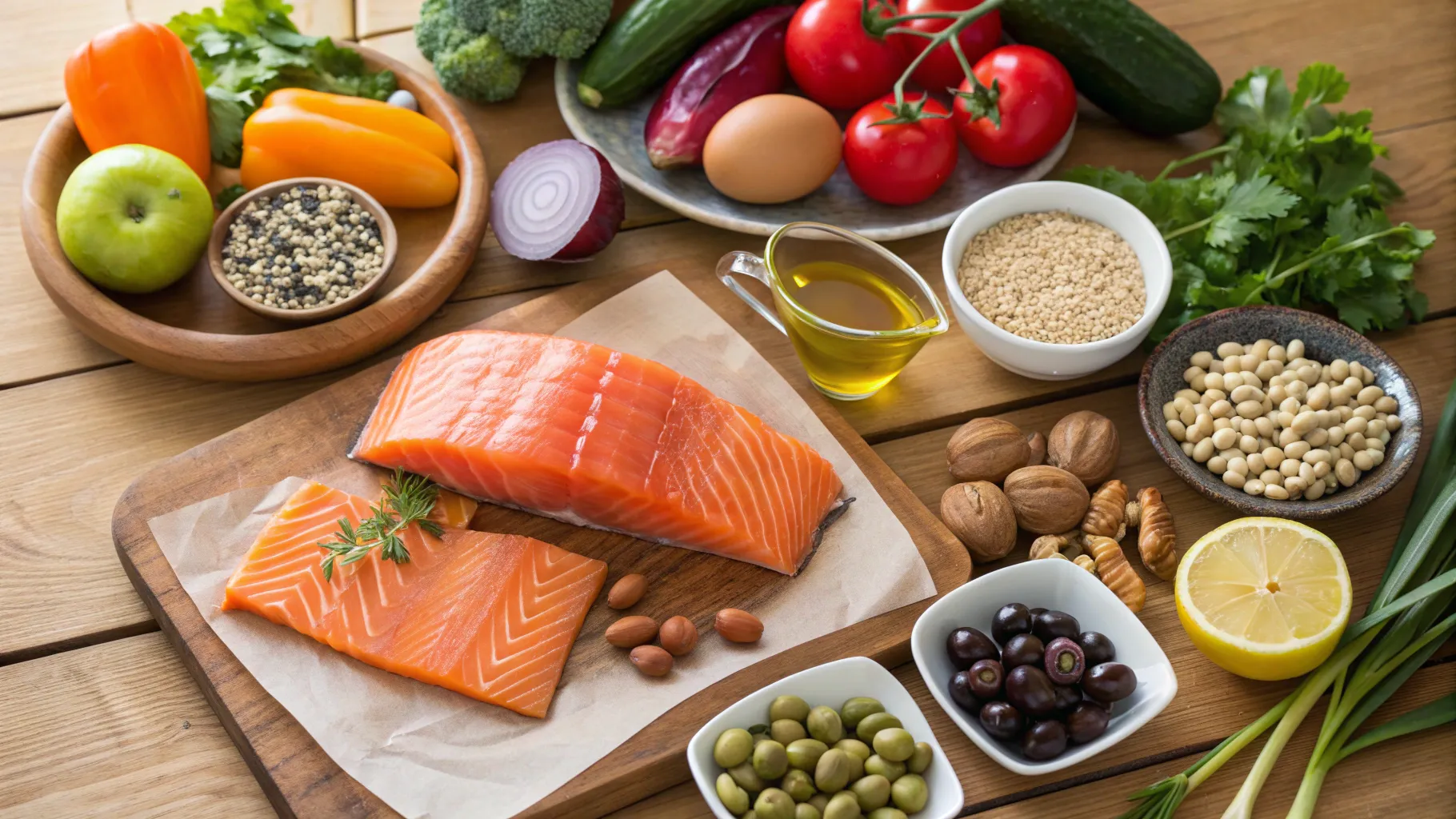
A Mediterranean-style diet rich in fish, vegetables, nuts, and olive oil can help improve cholesterol levels naturally.
Understanding Your Cholesterol Numbers
A lipid profile blood test measures your cholesterol levels. Here's what your numbers mean:
Total Cholesterol
| Level | Category |
|---|---|
| Less than 200 mg/dL | Desirable |
| 200-239 mg/dL | Borderline high |
| 240 mg/dL and above | High |
LDL (Bad) Cholesterol
| Level | Category |
|---|---|
| Less than 100 mg/dL | Optimal |
| 100-129 mg/dL | Near optimal |
| 130-159 mg/dL | Borderline high |
| 160-189 mg/dL | High |
| 190 mg/dL and above | Very high |
For people with existing heart disease or very high risk, doctors often aim for LDL below 70 mg/dL or even lower.
HDL (Good) Cholesterol
| Level | Category |
|---|---|
| Less than 40 mg/dL (men) / 50 mg/dL (women) | Low (increased risk) |
| 40-59 mg/dL | Acceptable |
| 60 mg/dL and above | Optimal (protective) |
Triglycerides
| Level | Category |
|---|---|
| Less than 150 mg/dL | Normal |
| 150-199 mg/dL | Borderline high |
| 200-499 mg/dL | High |
| 500 mg/dL and above | Very high |
Beyond LDL: Other Important Markers
Recent research shows that non-HDL cholesterol and apolipoprotein B (apoB) may actually be better markers of heart disease risk than LDL alone, especially for people already taking statins.
What Causes High Cholesterol?
High cholesterol develops from a combination of factors—some you can control and some you cannot.
Factors You Can Control
Diet
Saturated fats, trans fats, and excess dietary cholesterol
Body Weight
Excess weight raises LDL and lowers HDL
Physical Activity
Sedentary lifestyle reduces HDL cholesterol
Smoking
Damages blood vessels and lowers HDL
Factors You Cannot Control
Genetics
Family history of high cholesterol or early heart disease
Age
Cholesterol levels naturally rise with age
Ethnicity
South Asians tend to have less favorable patterns
Important: High cholesterol has no symptoms. You cannot feel your arteries getting clogged. Many people discover they have high cholesterol only after a heart attack or stroke. This is why regular screening is crucial.

Regular physical activity raises HDL (good) cholesterol and helps manage weight—both important for heart health.
Treatment: Managing Your Cholesterol
Effective cholesterol management typically involves lifestyle changes, and when needed, medication.
Step 1: Lifestyle Modifications
Heart-Healthy Diet
Foods to Eat More Of:
- • Vegetables and fruits (5+ servings daily)
- • Whole grains (oats, brown rice)
- • Legumes (lentils, chickpeas, beans)
- • Nuts (walnuts, almonds)
- • Fatty fish (salmon, mackerel)
- • Olive oil
Foods to Limit or Avoid:
- • Red meat and processed meats
- • Full-fat dairy products
- • Fried and fast foods
- • Baked goods with trans fats
- • Sugary beverages and sweets
Regular Exercise
150 minutes of moderate activity per week (brisk walking, cycling, swimming)
Weight Management
Losing 5-10% of body weight can significantly improve cholesterol
Quit Smoking
HDL improves within weeks of quitting
Limit Alcohol
Excessive alcohol raises triglycerides
Step 2: Medication When Needed
Statins
Most effective cholesterol-lowering drugs. High-intensity statins can lower LDL by 50% or more. According to research in Nature Reviews Cardiology, "the benefits of statin therapy far outweigh any real or perceived risks."
Ezetimibe
Blocks cholesterol absorption in the intestine. Often combined with statins for additional 10-15% LDL reduction.
PCSK9 Inhibitors
Injectable medications for powerful LDL reduction (50-60%). Used when statins alone aren't enough.
Are Statins Safe?
Common side effects include mild muscle aches (5-10% of patients) and small increases in blood sugar. Serious side effects are very rare. Important: If you experience side effects, talk to your doctor about adjusting the dose or trying a different statin—don't just stop taking it.
Special Considerations for Indians
Indians face unique challenges when it comes to cholesterol and heart disease:
Earlier Onset
Heart disease often develops 10 years earlier in Indians compared to Western populations
Different Patterns
Indians tend to have higher triglycerides, lower HDL, and more small, dense LDL particles (the more dangerous type)
Metabolic Syndrome
Higher rates of the combination of high triglycerides, low HDL, high blood pressure, high blood sugar, and belly fat
Recommendations for Indians:
- • Get cholesterol checked earlier (starting at age 20)
- • Pay attention to triglycerides and HDL, not just LDL
- • Be aware that "normal" Western levels may still be too high for Indians
- • Work with your doctor on more aggressive management if you have multiple risk factors

Regular discussions with your cardiologist help ensure your cholesterol is well-controlled and your heart is protected.
Frequently Asked Questions
What is the difference between good and bad cholesterol? ▼
LDL (low-density lipoprotein) is called "bad" cholesterol because it deposits cholesterol in your artery walls, leading to plaque buildup and heart disease. HDL (high-density lipoprotein) is called "good" cholesterol because it removes excess cholesterol from your arteries and transports it to your liver for disposal. You want low LDL and high HDL for heart health.
Can I lower my cholesterol without medication? ▼
Yes, many people can significantly lower their cholesterol through lifestyle changes alone. Eating a heart-healthy diet, exercising regularly, losing excess weight, and quitting smoking can lower LDL by 10-20% or more. However, if your LDL is very high, you have existing heart disease, or you have multiple risk factors, medication may still be needed alongside lifestyle changes.
How often should I get my cholesterol checked? ▼
Most adults should have a lipid profile test every 4-6 years starting at age 20. If you have risk factors like diabetes, high blood pressure, obesity, or family history of heart disease, you may need more frequent testing. Indians should consider starting screening earlier due to higher cardiovascular risk. Once on treatment, your doctor will check levels periodically.
Are eggs bad for cholesterol? ▼
For most people, eating eggs in moderation (up to one egg per day) does not significantly raise cholesterol or increase heart disease risk. The cholesterol in food has less impact on blood cholesterol than saturated and trans fats. However, if you have diabetes or existing heart disease, you may want to limit eggs to 3-4 per week. The method of preparation matters too—boiled eggs are healthier than eggs fried in butter.
Do statins cause memory problems? ▼
Some people report foggy thinking when starting statins, but large studies have not shown a link between statin use and dementia or significant memory impairment. In fact, by protecting blood vessels, statins may help preserve brain function over time. If you experience cognitive symptoms, discuss with your doctor—they may adjust your medication. Do not stop statins without medical guidance.
What foods lower cholesterol quickly? ▼
Foods that help lower LDL cholesterol include oats and barley (soluble fiber), beans and legumes, nuts (especially almonds and walnuts), fatty fish (omega-3 fats), olive oil, and foods fortified with plant sterols. These work best as part of an overall healthy diet pattern. Expect to see improvements in cholesterol within 2-3 months of dietary changes.
Can high cholesterol be reversed? ▼
High cholesterol can definitely be managed and controlled. With aggressive treatment (lifestyle plus medication when needed), LDL levels can be reduced by 50% or more. Research shows that lowering LDL can stabilize and even slightly shrink arterial plaques over time. However, prevention is key—it's easier to prevent plaque buildup than to reverse established blockages.
Why is my cholesterol high if I eat healthy? ▼
Genetics play a significant role in cholesterol levels—your liver produces most of your cholesterol, not your diet. Some people have genes that cause their liver to make too much cholesterol or remove it too slowly. This is why some slim, active people with healthy diets still have high cholesterol. If lifestyle changes aren't enough, medication is a reasonable and effective option.
References
- Adhyaru BB, Jacobson TA. Safety and efficacy of statin therapy. Nat Rev Cardiol. 2018;15(12):757-769. PMID: 30375494
- Huang JXF, et al. Recent Advances in the Management of Dyslipidemia: A Systematic Review. Cureus. 2025;17(3):e81034. PMID: 40264627
- Pirillo A, Casula M, Catapano AL. European guidelines for the treatment of dyslipidaemias. Pharmacol Res. 2023;196:106936. PMID: 37739143
- Johannesen CDL, et al. Apolipoprotein B and Non-HDL Cholesterol Better Reflect Residual Risk. J Am Coll Cardiol. 2021;77(11):1439-1450. PMID: 33736827
- Santos-Gallego CG, et al. HDL-cholesterol: is it really good? Biochem Pharmacol. 2008;76(4):443-52. PMID: 18547543
- Castro-Barquero S, et al. Dietary Strategies for Metabolic Syndrome. Nutrients. 2020;12(10):2983. PMID: 33003472
- Arnett DK, et al. 2019 ACC/AHA Guideline on Primary Prevention of Cardiovascular Disease. Circulation. 2019;140(11):e596-e646. PMID: 30879355

About the Author
Dr. Shailesh Singh is a Senior Consultant Interventional Cardiologist at BLK-Max Super Speciality Hospital, New Delhi, and formerly Consultant at Fortis Escorts Heart Institute. With extensive experience in preventive cardiology and lipid management, he helps patients optimize their cholesterol levels and reduce heart disease risk.
Learn more about Dr. Singh →Concerned About Your Cholesterol?
Don't wait for a heart attack to take cholesterol seriously. Dr. Shailesh Singh offers comprehensive lipid evaluation and personalized management plans to protect your heart.
Hospital: BLK-Max Super Speciality Hospital, New Delhi | Formerly Consultant, Fortis Escorts Heart Institute
Medical Disclaimer: This article is for informational purposes only and should not be considered medical advice. Always consult with a qualified healthcare provider for diagnosis and treatment of any medical condition.