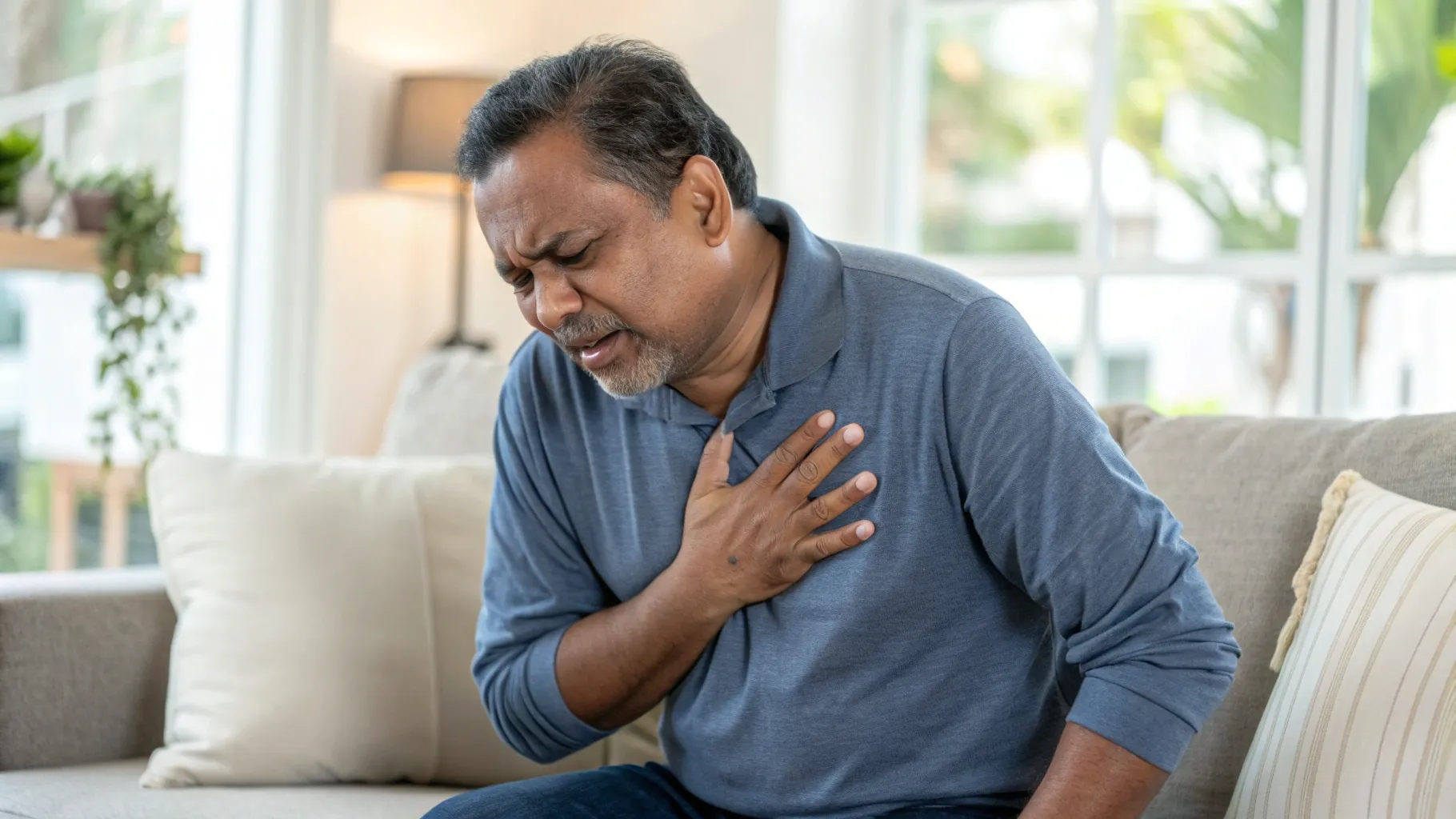
The thought of having a heart attack is frightening—but knowing the warning signs could save your life or the life of someone you love. Every minute counts during a heart attack, and quick action can mean the difference between recovery and permanent heart damage.
A heart attack (myocardial infarction) happens when blood flow to part of your heart muscle gets blocked. Without blood, the heart tissue starts dying within minutes.
In This Article
What Happens During a Heart Attack?
Your heart is a muscle that needs a constant supply of oxygen-rich blood to work properly. This blood flows through coronary arteries—the blood vessels that wrap around your heart.
When fatty deposits called plaques build up inside these arteries over years, they can suddenly rupture. This triggers a blood clot that blocks the artery. The part of your heart fed by that artery begins to suffer from oxygen starvation.
Time is critical. The longer blood flow remains blocked, the more heart muscle dies. That's why doctors say "time is muscle" when it comes to heart attacks.
The Classic Warning Signs of a Heart Attack
While heart attacks can present differently in different people, these are the most common symptoms to watch for:
1. Chest Pain or Discomfort
This is the most recognized symptom. People describe it in various ways:
Pressure or squeezing
Like an elephant sitting on your chest
Tightness or heaviness
As if your chest is being crushed
Burning sensation
Sometimes mistaken for heartburn
Aching pain
Deep, uncomfortable feeling in the center
Important: Not everyone experiences dramatic chest pain. Some people, especially women and diabetics, may have little or no chest discomfort during a heart attack.
2. Pain That Spreads to Other Areas
Heart attack pain often radiates beyond the chest to:
3. Shortness of Breath
Difficulty breathing—with or without chest discomfort. Feeling winded even when sitting still.
4. Cold Sweats
Breaking into a cold, clammy sweat that feels "wrong"—different from normal sweating.
5. Nausea or Vomiting
Often dismissed as food poisoning or stomach bug, causing dangerous delays.
6. Lightheadedness
Feeling faint, dizzy, or like you might pass out.
7. Extreme Fatigue
Unusual, overwhelming tiredness—the kind that makes normal activities feel exhausting. Especially common in women.
How Heart Attack Symptoms Differ in Women
For decades, heart attack research focused primarily on men. We now know that women often experience heart attacks differently.

Unusual fatigue is the most common prodromal symptom in women—often appearing weeks before a heart attack.
A study in the Journal of the American Heart Association found that while chest pain is still common in women, they're more likely to experience additional symptoms:
| Symptom | Description |
|---|---|
| Unusual fatigue | Extreme tiredness for days or weeks before the attack |
| Sleep disturbances | Difficulty sleeping in the weeks leading up |
| Shortness of breath | Feeling winded without exertion |
| Indigestion-like symptoms | Discomfort mistaken for heartburn or stomach upset |
| Anxiety | A sense that something is wrong |
| Neck, jaw, or back pain | Pain in these areas without chest involvement |
Prodromal Symptoms: Early Warning Signs
Research in Heart & Lung journal found that most women experience warning symptoms weeks or months before a heart attack. The most common is unusual fatigue—reported by about 70% of women before their heart attack.
Silent Heart Attacks: When There Are No Obvious Symptoms
Perhaps the most frightening type of heart attack is one you don't know you're having. Silent myocardial infarction (silent MI) causes minimal or no symptoms but still damages your heart.
42%
of people who died suddenly from coronary artery disease without a prior diagnosis had evidence of a previous unrecognized heart attack at autopsy.
— JAMA Cardiology, 2019
Who Is at Risk for Silent Heart Attacks?
People with diabetes
Nerve damage can reduce pain sensation
Older adults
May attribute symptoms to "getting older"
Women
More likely to have atypical presentations
High pain tolerance
May ignore "minor" discomfort
Heart Attack vs. Cardiac Arrest: What's the Difference?
| Heart Attack | Cardiac Arrest |
|---|---|
| A "plumbing" problem — blocked artery | An "electrical" problem — heart rhythm fails |
| Heart is still beating (though struggling) | Heart stops beating entirely |
| Person is usually conscious and alert | Person is unconscious and not breathing |
| Needs emergency care within hours | Needs CPR and defibrillation within minutes |
A heart attack can lead to cardiac arrest if it causes a dangerous heart rhythm.
What to Do If You Suspect a Heart Attack

Call emergency services immediately and stay with the person until help arrives.
If You're Experiencing Symptoms:
- Call emergency services immediately — Dial 102 or 108 in India
- Don't drive yourself — Wait for the ambulance
- Chew an aspirin — If not allergic, chew one 325mg aspirin
- Sit or lie down — Rest in a comfortable position
- Loosen tight clothing — Unbutton collar, loosen belt
- Stay calm — Take slow, deep breaths
If Someone Else Is Having a Heart Attack:
- Call emergency services immediately
- Help them sit or lie down — Whatever position is comfortable
- Give them aspirin — If conscious and not allergic
- Stay with them — Monitor their condition
- Be ready to perform CPR — If they become unconscious
- Use an AED if available
Don't Make These Mistakes:
- ✗Don't wait to see if symptoms go away — Every minute means more heart damage
- ✗Don't drive to the hospital — Ambulances can start treatment immediately
- ✗Don't take someone else's heart medication
- ✗Don't ignore "mild" symptoms — Heart attacks don't always cause dramatic pain
Why Time Matters: The Golden Hour
When blood flow is restored quickly:
- • More heart muscle is saved
- • Heart function is better preserved
- • Survival rates improve dramatically
- • Recovery is faster and more complete
Every 30 minutes of delay in treatment increases the risk of death and heart damage.
Who Is at Risk for a Heart Attack?
Risk Factors You CAN Control:
- • High blood pressure — damages arteries over time
- • High cholesterol — especially high LDL
- • Smoking — dramatically increases risk
- • Diabetes — accelerates artery damage
- • Obesity — particularly belly fat
- • Physical inactivity
- • Unhealthy diet
- • Excessive alcohol
- • Chronic stress
Risk Factors You Cannot Control:
- • Age — risk increases with age
- • Family history — especially early heart disease
- • Gender — men have higher risk at younger ages
- • Ethnicity — South Asians have higher heart attack rates
- • Previous heart attack
Prevention: Protecting Your Heart

Regular physical activity is one of the most effective ways to reduce your heart attack risk.
The best heart attack is one that never happens. Here's how to reduce your risk:
Know your numbers
Regular checks for BP, cholesterol, blood sugar
Don't smoke
Quitting reduces risk within weeks
Eat heart-healthy
Vegetables, fruits, whole grains, lean proteins
Exercise regularly
150 minutes of moderate activity per week
Maintain healthy weight
Even modest weight loss helps
Manage stress
Find healthy ways to cope with pressure
Take medications as prescribed
If you have BP, cholesterol, or diabetes
Regular cardiac checkups
Especially if you have risk factors
Frequently Asked Questions
Can you have a heart attack without chest pain? ▼
Yes, and this is especially common in women, older adults, and people with diabetes. About 10-20% of heart attacks occur with little or no chest discomfort. Instead, symptoms may include shortness of breath, nausea, unusual fatigue, or pain in the arm, neck, jaw, or back.
How long do heart attack symptoms last? ▼
Heart attack symptoms typically last more than a few minutes. Unlike brief twinges from muscle strain or anxiety, heart attack discomfort usually persists for 20-30 minutes or longer. Some people experience symptoms that come and go over several hours. If chest discomfort lasts more than a few minutes, seek emergency care.
Can young people have heart attacks? ▼
Yes. While heart attacks are more common in older adults, they can occur at any age. In India, we're seeing heart attacks in people in their 30s and 40s—often due to diabetes, smoking, stress, and sedentary lifestyles. Family history of early heart disease is also a significant risk factor.
What does a heart attack feel like for a woman? ▼
Women can experience the classic symptom of chest pain, but they're more likely than men to have additional or atypical symptoms. These include unusual fatigue (especially in the weeks before), shortness of breath, nausea, pain in the neck/jaw/back, and a general sense that something is wrong.
Should I take aspirin if I think I'm having a heart attack? ▼
If you're not allergic to aspirin and don't have any conditions that prevent you from taking it, chewing an aspirin (325 mg, or four 81 mg tablets) can help during a suspected heart attack. Chewing allows faster absorption. However, aspirin is not a substitute for emergency care—call for help first.
Can a heart attack happen during sleep? ▼
Yes, heart attacks can occur during sleep, often in the early morning hours (between 4 AM and 10 AM). Blood pressure and heart rate naturally rise as we wake up, and blood clots form more easily in the morning. Some people may sleep through early symptoms.
How soon should I go to the hospital if I have symptoms? ▼
Immediately. Don't wait to "see if it gets better." The ideal time from symptom onset to treatment is within 1-2 hours—preferably sooner. Every minute of delay can mean more permanent heart damage. Call emergency services rather than driving yourself.
What happens when I arrive at the hospital? ▼
The emergency team will quickly assess you with an ECG and blood tests to detect heart damage. If you're having a heart attack, treatment may include medications to break up clots, or an emergency angioplasty to open the blocked artery. The goal is to restore blood flow within 90 minutes of arrival.
References
- Ornato JP, Hand MM. Warning signs of a heart attack. Circulation. 2014;129(11):e393-5. PMID: 24637436
- Ferry AV, et al. Presenting Symptoms in Men and Women Diagnosed With Myocardial Infarction Using Sex-Specific Criteria. J Am Heart Assoc. 2019;8(17):e012307. PMID: 31431112
- Liakos M, Parikh PB. Gender Disparities in Presentation, Management, and Outcomes of Acute Myocardial Infarction. Curr Cardiol Rep. 2018;20(8):64. PMID: 29909444
- Blakeman JR, Booker KJ. Prodromal myocardial infarction symptoms experienced by women. Heart Lung. 2016;45(4):327-35. PMID: 27241277
- Vähätalo JH, et al. Association of Silent Myocardial Infarction and Sudden Cardiac Death. JAMA Cardiol. 2019;4(8):796-802. PMID: 31290935
- Dong X, et al. Optimizing an Emergency Medical Dispatch System to Improve Prehospital Diagnosis and Treatment of Acute Coronary Syndrome. J Med Internet Res. 2022;24(11):e36929. PMID: 36416876
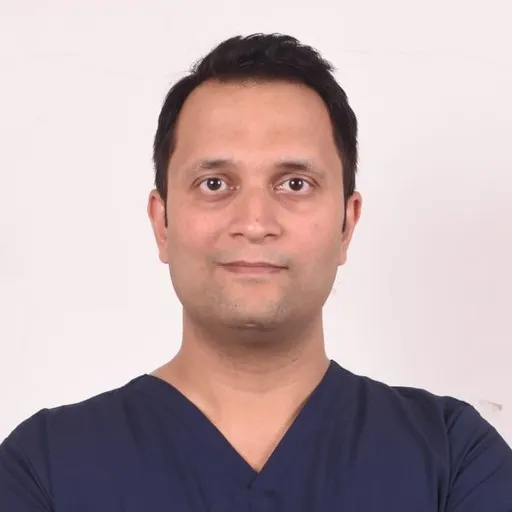
About the Author
Dr. Shailesh Singh is a Senior Consultant Interventional Cardiologist with over 12 years of clinical experience. He specializes in emergency angioplasty for heart attack patients and now practices at BLK-Max Super Speciality Hospital, New Delhi (formerly Consultant, Fortis Escorts Heart Institute).
Learn more about Dr. Singh →Concerned About Your Heart Health?
If you have risk factors for heart disease or have experienced any warning signs, a cardiac evaluation is important. Dr. Shailesh Singh offers comprehensive heart checkups and preventive cardiology consultations.
Hospital: BLK-Max Super Speciality Hospital, New Delhi | Formerly Consultant, Fortis Escorts Heart Institute
Medical Disclaimer: This article is for informational purposes only and should not be considered medical advice. If you're experiencing symptoms of a heart attack, call emergency services (102/108) immediately.