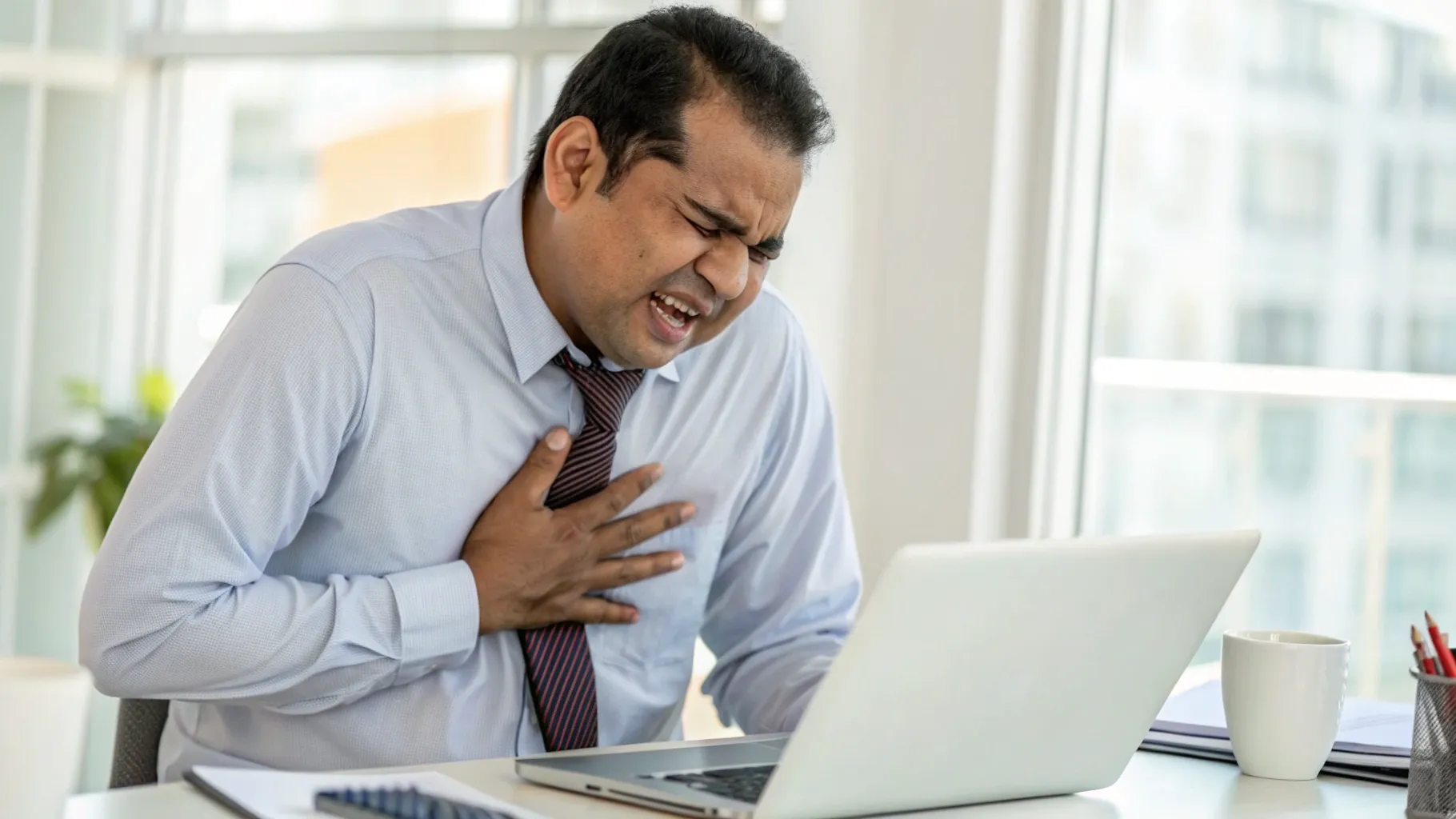
You take a deep breath, and suddenly—a sharp, stabbing pain shoots through your chest. You freeze. Is this a heart attack? Should you rush to the hospital?
If you've experienced chest pain when breathing, you're not alone. This is one of the most common reasons people visit emergency rooms and doctors' clinics. The good news? Most causes of breathing-related chest pain are not life-threatening. However, some are medical emergencies that need immediate attention.
In This Article
What Is Pleuritic Chest Pain?
When doctors talk about chest pain when breathing, they often use the term "pleuritic chest pain." This is a specific type of pain with distinct characteristics:
Feels like a knife or burning sensation
Pain intensifies with each breath
Also painful when sneezing or moving
Usually localized to one area of chest
The name comes from the pleura—the thin, two-layered membrane that surrounds your lungs. When this membrane becomes irritated or inflamed, breathing causes the layers to rub together, creating pain.
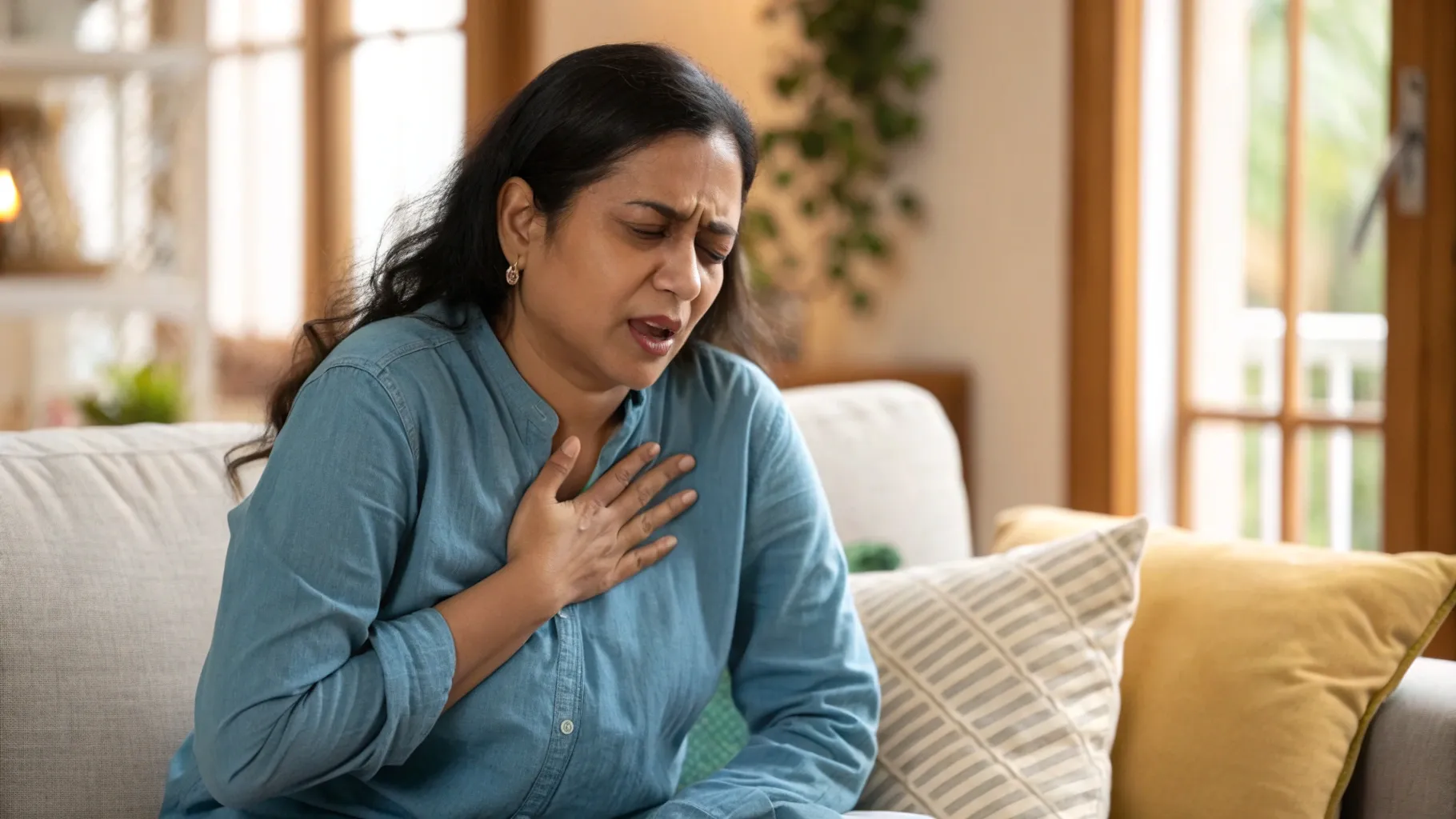
Sharp chest pain when breathing can feel alarming, but many causes are treatable.
Common Causes of Chest Pain When Breathing
1 Pleurisy (Inflammation of the Lung Lining)
Pleurisy happens when the pleura becomes inflamed, usually due to viral infections (like the flu or COVID-19), bacterial pneumonia, autoimmune conditions, or chest injuries.
What it feels like: Sharp, knife-like pain that worsens with every breath. Usually affects one side.
Treatment: Anti-inflammatory medications like ibuprofen. Antibiotics if bacterial.
2 Pulmonary Embolism (Blood Clot in the Lung)
⚠️ Most Important Serious Cause to Rule Out
A pulmonary embolism (PE) occurs when a blood clot travels to your lungs and blocks blood flow. Research shows that 5% to 21% of patients who come to emergency departments with pleuritic chest pain have a pulmonary embolism.
Warning signs:
- • Sudden onset of sharp chest pain with breathing
- • Unexplained shortness of breath
- • Rapid heart rate
- • Coughing up blood
- • Leg swelling or pain (where the clot may have started)
This is a medical emergency. Seek immediate help.
3 Pneumonia
Pneumonia is a lung infection that causes sharp chest pain when breathing deeply, along with fever, chills, cough with mucus, and shortness of breath.
Treatment: Bacterial pneumonia requires antibiotics. Viral pneumonia improves with rest.
4 Pericarditis (Inflammation Around the Heart)
When the protective sac around your heart becomes inflamed, it causes sharp chest pain that worsens with breathing but improves when you lean forward.
Treatment: Anti-inflammatory medications and colchicine.
5 Pneumothorax (Collapsed Lung)
A pneumothorax occurs when air leaks into the space between your lung and chest wall. Causes sudden, sharp chest pain and shortness of breath.
Treatment: Small ones may heal on their own. Larger ones need a procedure to remove trapped air.
6 Costochondritis (Rib Cartilage Inflammation)
Inflammation of the cartilage connecting ribs to breastbone. Very common and often mistaken for heart problems.
Key feature: Pain is reproducible—pressing on the area causes the same pain.
Good news: Completely harmless. Improves on its own in weeks to months.
7 Muscle Strain
Strained intercostal muscles (between ribs) from heavy lifting, intense coughing, or sudden movements. Causes sharp pain when breathing because chest muscles stretch with every breath.
Heart Attack vs. Pleuritic Chest Pain
Many people worry that chest pain when breathing means a heart attack. Here's how to tell the difference:
| Feature | Heart Attack | Pleuritic Pain |
|---|---|---|
| Type of pain | Pressure, squeezing, heaviness | Sharp, stabbing, burning |
| Breathing effect | Usually NOT affected | Worsens with breathing |
| Location | Center of chest, may spread | Often one-sided, localized |
| Other symptoms | Sweating, nausea, arm pain | Fever, cough (if infection) |
Important: If you're unsure, especially if you have heart disease risk factors, seek emergency care. It's always better to be safe.
When to Seek Emergency Care
🚨 Call Emergency Services Immediately If:
- •Sudden, severe shortness of breath
- •Coughing up blood
- •Chest pain spreading to arm, jaw, or back
- •Blue lips or fingernails
- •Confusion or altered consciousness
- •High fever with difficulty breathing
- •Recent leg swelling or pain (possible blood clot)
- •History of blood clots, cancer, or recent surgery

A thorough evaluation by a cardiologist can provide answers and peace of mind about your chest pain.
How Is the Cause Diagnosed?
When you see a doctor for chest pain on a deep breath, expect the following evaluation:
Medical History
- • When the pain started
- • What makes it better or worse
- • Other symptoms (fever, cough, leg swelling)
- • Risk factors for blood clots
- • Recent illnesses or injuries
Physical Examination
- • Listening to lungs and heart
- • Checking for tenderness along ribs
- • Looking for signs of infection
- • Examining legs for swelling
Tests You May Need
Chest X-ray
Checks for pneumonia, collapsed lung, rib fractures, and fluid around lungs.
ECG (Electrocardiogram)
Rules out heart attack and detects pericarditis patterns.
Blood Tests (D-dimer, Troponin)
D-dimer helps rule out blood clots. Troponin detects heart muscle damage.
CT Scan of Chest
Gold standard for detecting pulmonary embolism and detailed lung imaging.
Treatment Options
Treatment depends entirely on the underlying cause:
| Condition | Treatment |
|---|---|
| Pleurisy / Viral infection | Rest, NSAIDs (ibuprofen, naproxen) |
| Bacterial pneumonia | Antibiotics |
| Pulmonary embolism | Blood thinners (anticoagulants) |
| Pericarditis | NSAIDs, colchicine |
| Pneumothorax | Observation or chest tube |
| Costochondritis | NSAIDs, heat therapy, rest |

Most causes of chest pain when breathing are treatable, and patients go on to breathe freely again.
Frequently Asked Questions
Why does my chest hurt when I take a deep breath? ▼
Chest pain on a deep breath usually happens because of inflammation in the lung lining (pleurisy), rib cartilage (costochondritis), or muscle strain. Less commonly, it can indicate a blood clot in the lung, pneumonia, or heart-related problems. The pain occurs because breathing stretches inflamed or injured tissues.
Is chest pain when breathing always serious? ▼
No, most causes of chest pain when breathing are not life-threatening. Costochondritis, muscle strain, and viral pleurisy are common and resolve on their own. However, some causes like pulmonary embolism require emergency treatment, so it's important to watch for warning signs like severe shortness of breath or coughing up blood.
Should I go to the ER for chest pain when breathing? ▼
Go to the emergency room if your chest pain when breathing is accompanied by severe shortness of breath, coughing up blood, pain spreading to your arm or jaw, recent leg swelling, or if you have risk factors for blood clots. If you're unsure, it's safer to get evaluated.
How long does pleurisy last? ▼
Viral pleurisy typically improves within 1-2 weeks. Bacterial causes resolve after appropriate antibiotic treatment. However, if the underlying cause isn't treated, pleurisy can persist or worsen.
Can anxiety cause chest pain when breathing? ▼
Yes, anxiety and panic attacks can cause chest tightness and discomfort that feels worse with breathing. However, this is a diagnosis made after ruling out physical causes. If you're experiencing these symptoms for the first time, get evaluated to ensure there's no underlying medical problem.
What does a pulmonary embolism feel like? ▼
A pulmonary embolism typically causes sudden, sharp chest pain that worsens with breathing, accompanied by unexplained shortness of breath. You may also have a rapid heart rate, feel lightheaded, or cough up blood. Many patients also have leg swelling or pain before the chest symptoms begin.
Can chest pain when breathing be a sign of COVID-19? ▼
Yes, COVID-19 can cause pleuritic chest pain due to lung inflammation. If you have chest pain when breathing along with fever, cough, or loss of taste/smell, get tested for COVID-19 and seek medical attention if your breathing becomes difficult.
When should I worry about sharp chest pain? ▼
Worry about sharp chest pain if it's sudden and severe, accompanied by shortness of breath, if you have risk factors for heart disease or blood clots, if you're coughing up blood, or if the pain spreads to your arm, jaw, or back. These warrant immediate medical evaluation.
References
- Reamy BV, Williams PM, Odom MR. Pleuritic Chest Pain: Sorting Through the Differential Diagnosis. Am Fam Physician. 2017;96(5):306-312. PMID: 28925655
- Kass SM, Williams PM, Reamy BV. Pleurisy. Am Fam Physician. 2007;75(9):1357-1364. PMID: 17508531
- Toplis E, Mortimore G. The diagnosis and management of pulmonary embolism. Br J Nurs. 2020;29(1):22-26. PMID: 31917939
- Rahman A, Saraswat A. Pericarditis. Aust Fam Physician. 2017;46(11):810-814. PMID: 29101915
- Ayloo A, Cvengros T, Marella S. Evaluation and treatment of musculoskeletal chest pain. Prim Care. 2013;40(4):863-887. PMID: 24209723
- Stochkendahl MJ, Christensen HW. Chest pain in focal musculoskeletal disorders. Med Clin North Am. 2010;94(2):259-273. PMID: 20380955

About the Author
Dr. Shailesh Singh is a Senior Consultant Interventional Cardiologist at BLK-Max Super Speciality Hospital, New Delhi, and formerly Consultant at Fortis Escorts Heart Institute. With extensive experience in cardiac evaluation and diagnosis, he provides comprehensive care for patients experiencing chest pain and other cardiac symptoms across Delhi NCR.
Learn more about Dr. Singh →Concerned About Chest Pain?
If you're experiencing chest pain when breathing, especially with any warning signs, a thorough cardiac evaluation can provide answers and peace of mind. Dr. Shailesh Singh offers comprehensive evaluation with same-week appointments available.
Hospital: BLK-Max Super Speciality Hospital, New Delhi | Formerly Consultant, Fortis Escorts Heart Institute
Medical Disclaimer: This article is for informational purposes only and should not be considered medical advice. Every patient's situation is unique. If you're experiencing chest pain, especially with difficulty breathing, seek medical attention promptly.