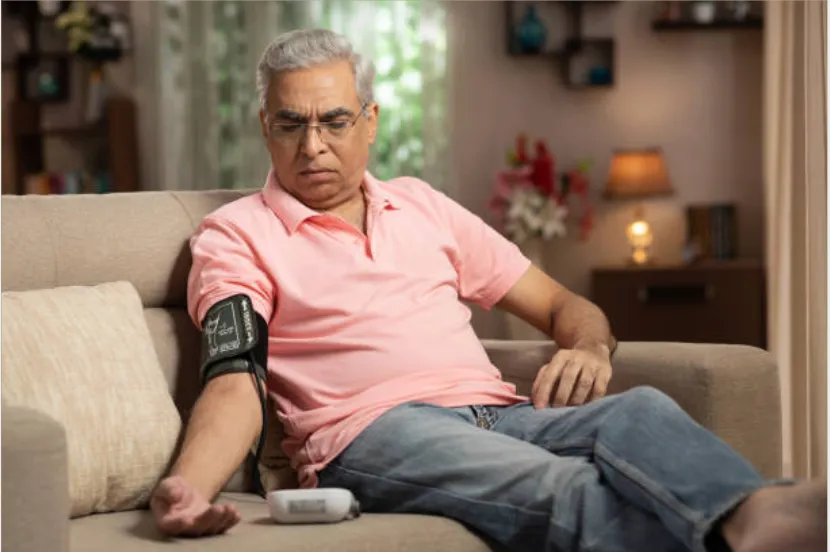
High blood pressure affects over 1.5 billion people worldwide, making it one of the most common health conditions on the planet. Yet many people don't even know they have it.
Often called the "silent killer," high blood pressure usually has no symptoms—but left untreated, it can lead to heart attack, stroke, kidney failure, and other serious problems. The good news? It's highly treatable.
In This Article
What is High Blood Pressure?
Blood pressure is the force of blood pushing against the walls of your arteries as your heart pumps it around your body. Think of it like water pressure in a garden hose—too much pressure can damage the hose over time.
Your blood pressure is measured with two numbers:
Systolic (top number)
The pressure when your heart beats and pumps blood out
Diastolic (bottom number)
The pressure when your heart relaxes between beats
Blood Pressure Categories (2024 ESC Guidelines)
| Category | Systolic (mmHg) | Diastolic (mmHg) |
|---|---|---|
| Normal | Less than 120 | Less than 80 |
| Elevated | 120-129 | Less than 80 |
| Stage 1 Hypertension | 130-139 | 80-89 |
| Stage 2 Hypertension | 140 or higher | 90 or higher |
| Hypertensive Crisis | Higher than 180 | Higher than 120 |
Why Does High Blood Pressure Matter?
High blood pressure forces your heart to work harder than normal. Over time, this extra strain can weaken your heart muscle and damage your arteries.
Heart Problems
- • Heart attack
- • Heart failure
- • Coronary artery disease
- • Abnormal heart rhythms
Brain Problems
- • Stroke
- • Transient ischemic attack (mini-stroke)
- • Dementia and cognitive decline
Kidney Problems
- • Chronic kidney disease
- • Kidney failure
Other Complications
- • Vision loss
- • Peripheral artery disease
- • Sexual dysfunction
The good news: A major clinical trial (ESPRIT, published in The Lancet 2024) showed that people who lowered their systolic blood pressure to less than 120 mmHg had 12% fewer heart attacks, strokes, and cardiovascular deaths compared to those who targeted less than 140 mmHg.
What Causes High Blood Pressure?
For most people (about 90-95%), there's no single identifiable cause. This is called "essential" or "primary" hypertension and develops gradually over many years.
Factors You Can't Control
- Age: Blood pressure tends to rise as you get older
- Family history: If your parents have hypertension, you're more likely to develop it
- Race and ethnicity: More common and severe in South Asian and African populations
- Sex: Men are more likely before age 55; women after menopause
Factors You CAN Control
Being overweight
Extra weight puts more strain on your heart
Lack of physical activity
Sedentary lifestyle increases heart rate and BP
Unhealthy diet
Too much salt, too little potassium
Too much alcohol
Heavy drinking damages your heart over time
Tobacco use
Raises BP and damages blood vessel walls
Chronic stress
Contributes through various mechanisms
Poor sleep
Sleep apnea and chronic sleep deprivation
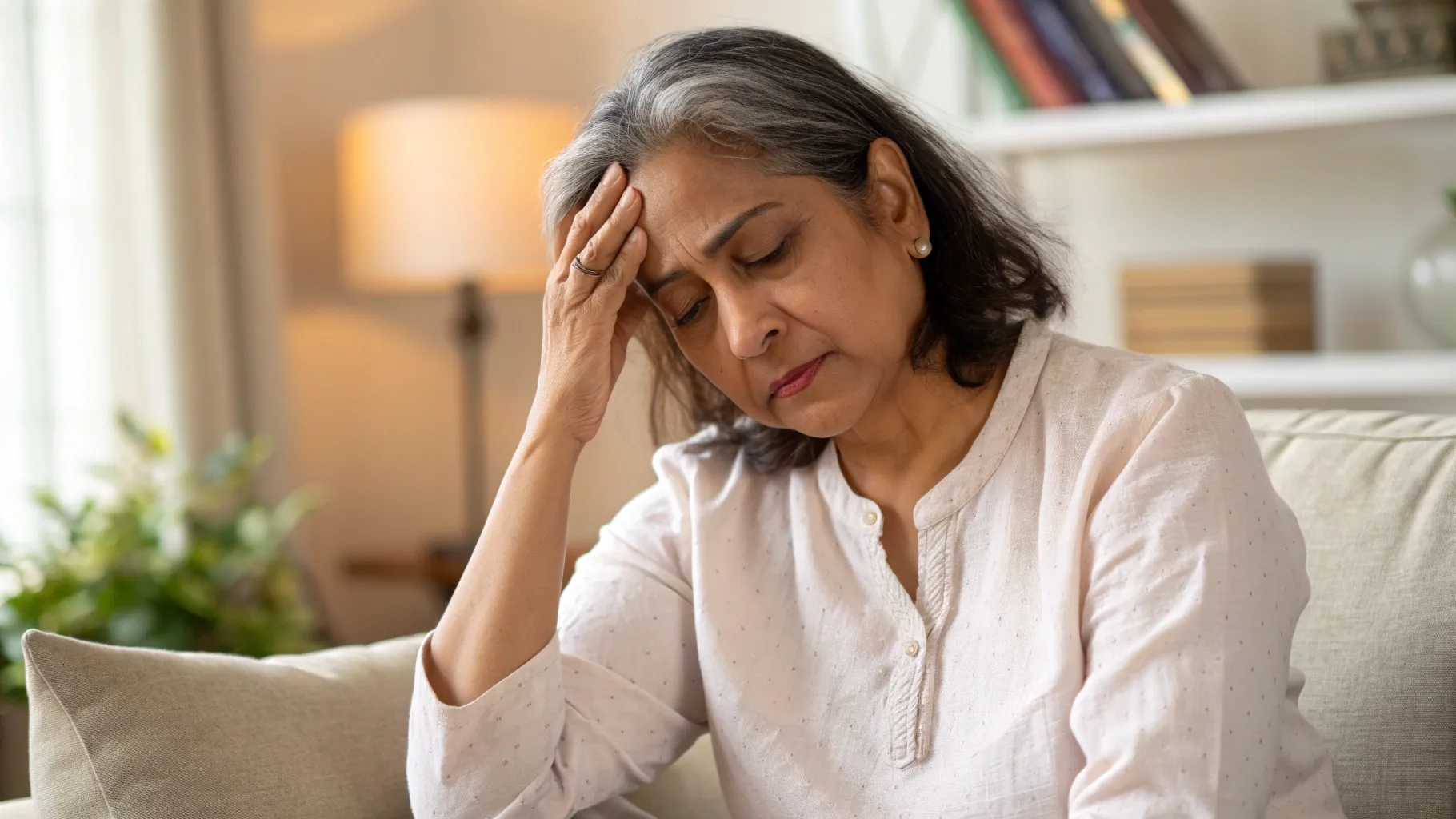
High blood pressure usually has no symptoms, which is why it's called the "silent killer." Regular monitoring is essential.
Symptoms of High Blood Pressure
Here's the tricky part: high blood pressure usually has no symptoms. This is why it's called the "silent killer." Most people with high blood pressure feel perfectly fine, even as the condition damages their heart and blood vessels.
Rare Symptoms (Very High Blood Pressure)
- • Severe headaches
- • Nosebleeds
- • Shortness of breath
- • Dizziness
- • Chest pain
- • Blood in the urine
Seek Emergency Care (102/108) If You Experience:
- •Blood pressure higher than 180/120 mmHg
- •Severe headache with confusion
- •Chest pain or difficulty breathing
- •Sudden numbness or weakness, especially on one side
- •Sudden vision changes or difficulty speaking
These could be signs of a hypertensive crisis or stroke requiring immediate medical attention.
How is High Blood Pressure Diagnosed?
Diagnosing high blood pressure is straightforward—it just requires measuring your blood pressure. However, because blood pressure naturally varies throughout the day, your doctor will take multiple readings over time before confirming a diagnosis.
Getting an Accurate Reading
- • Sit quietly for 5 minutes before the measurement
- • Don't smoke, drink caffeine, or exercise for 30 minutes beforehand
- • Empty your bladder first
- • Sit with your back supported, feet flat on the floor
- • Keep your arm supported at heart level
- • Don't talk during the measurement
Additional Tests
If you're diagnosed with high blood pressure, your doctor may order tests to check for organ damage and underlying causes:
Blood Tests
Kidney function, blood sugar, cholesterol
Urine Tests
Protein in urine indicating kidney damage
ECG (Electrocardiogram)
Check for heart changes
Echocardiogram
Assess heart structure and function
Lifestyle Changes That Lower Blood Pressure
The International Society of Hypertension's 2024 position paper emphasizes that lifestyle modifications are the foundation of blood pressure management—whether you're trying to prevent high blood pressure or treat it.

Regular physical activity is one of the most effective ways to lower blood pressure naturally.
1. Reduce Sodium (Salt)
Aim for less than 2,000 mg of sodium per day (about 1 teaspoon of table salt).
- • Read food labels—processed foods contain hidden sodium
- • Choose fresh foods over processed ones
- • Cook at home more often
- • Use herbs, spices, lemon, or vinegar for flavor
Impact: Can lower systolic BP by 5-10 mmHg
2. Follow the DASH Diet
The DASH diet (Dietary Approaches to Stop Hypertension) can lower blood pressure as effectively as medication.
- • Plenty of fruits and vegetables (8-10 servings daily)
- • Whole grains instead of refined grains
- • Low-fat dairy products
- • Lean meats, poultry, fish, nuts, and beans
- • Limited sweets, sugary drinks, and red meat
3. Maintain a Healthy Weight
Extra weight puts more strain on your heart.
Encouraging fact: For every kilogram (2.2 pounds) of weight you lose, your blood pressure may drop by about 1 mmHg.
4. Exercise Regularly
Physical activity strengthens your heart so it can pump blood with less effort.
- • Aim for at least 150 minutes of moderate activity per week
- • Examples: brisk walking, cycling, swimming, dancing
- • Include muscle-strengthening activities 2+ days per week
Impact: Can lower systolic BP by 5-8 mmHg
5. Limit Alcohol
Men: No more than 2 drinks/day
Women: No more than 1 drink/day
6. Quit Smoking
Blood pressure drops within 20 minutes of your last cigarette.
7. Manage Stress
Practice relaxation techniques, exercise, meditation, adequate sleep.
8. Get Good Sleep
7-9 hours per night. Address sleep apnea if present.

Work closely with your doctor to find the right combination of lifestyle changes and medications for your situation.
Medications for High Blood Pressure
If lifestyle changes alone aren't enough, your doctor may prescribe medication. Many people need more than one medication to reach their goal.
ACE Inhibitors (e.g., enalapril, lisinopril, ramipril)
Relax blood vessels by preventing production of a hormone that narrows them. Good for diabetes, heart failure, or kidney disease.
ARBs (e.g., losartan, valsartan, telmisartan)
Similar to ACE inhibitors but work through a different mechanism. Often prescribed if you can't tolerate ACE inhibitors.
Calcium Channel Blockers (e.g., amlodipine, nifedipine)
Relax blood vessels by preventing calcium from entering heart and blood vessel cells. Effective and well-tolerated.
Thiazide Diuretics (e.g., hydrochlorothiazide, chlorthalidone)
"Water pills" help kidneys remove sodium and water, reducing blood volume. Often used as first-line treatment.
Beta-Blockers (e.g., metoprolol, atenolol, bisoprolol)
Slow heart rate and reduce force of contractions. Useful if you also have heart disease or arrhythmias.
Tips for Taking Blood Pressure Medications
- • Take your medication as prescribed—don't skip doses
- • Be patient—some medications take several weeks to show full effect
- • Report side effects—your doctor can often adjust your medication
- • Monitor your blood pressure at home
- • Never stop taking medication without talking to your doctor
Monitoring Your Blood Pressure at Home
Home blood pressure monitoring is an important part of managing hypertension. It helps you and your doctor understand how well your treatment is working.
How to Take Accurate Measurements
- Sit quietly for 5 minutes before measuring
- Don't smoke, exercise, or drink caffeine for 30 minutes beforehand
- Sit with your back supported, feet flat on the floor
- Rest your arm on a table at heart level
- Don't talk during the measurement
- Take 2-3 readings, 1-2 minutes apart
- Record your readings with the date and time
When to Measure
- • Measure at the same times each day (morning and evening)
- • Take readings before taking your blood pressure medication
- • Bring your records to every doctor's visit
Frequently Asked Questions
Can high blood pressure be cured? ▼
For most people, high blood pressure (essential hypertension) cannot be completely cured, but it can be effectively controlled. With the right combination of lifestyle changes and medications, most people can bring their blood pressure down to healthy levels. Some people with secondary hypertension (caused by an underlying condition) may see their blood pressure return to normal once the underlying cause is treated.
How often should I check my blood pressure? ▼
If you have normal blood pressure, get it checked at least once every 2-3 years. If you have elevated blood pressure or risk factors, check it at least once a year. If you're diagnosed with high blood pressure or are taking medication, home monitoring is recommended—typically once or twice daily, or as directed by your doctor.
What is the best time of day to take blood pressure medication? ▼
The best time depends on your specific medication and your blood pressure pattern. Many people take their medication in the morning, but some studies suggest that taking at least one medication at bedtime may provide better protection. Your doctor will recommend the best timing. The most important thing is to take it consistently at the same time each day.
Can stress really cause high blood pressure? ▼
Stress can temporarily raise blood pressure, and chronic stress may contribute to sustained hypertension through various mechanisms—including triggering unhealthy behaviors like overeating, drinking alcohol, and poor sleep. Managing stress through regular exercise, meditation, adequate sleep, and maintaining social connections is an important part of blood pressure control.
Does caffeine raise blood pressure? ▼
Caffeine can cause a short-term spike in blood pressure, even in people who don't have hypertension. However, regular caffeine drinkers may develop a tolerance to this effect. If you have high blood pressure, you don't necessarily need to eliminate caffeine, but limit intake to 400 mg per day (about 4 cups of coffee) and avoid caffeine before blood pressure measurements.
What foods should I avoid with high blood pressure? ▼
Limit or avoid: processed and packaged foods (high in sodium), cured meats and deli meats, canned soups and vegetables, salty snacks, fast food, excessive alcohol, and foods high in saturated fat. Focus on fresh fruits and vegetables, whole grains, lean proteins, and low-fat dairy. Reading nutrition labels for sodium content is essential—look for foods with less than 140 mg sodium per serving.
Can I stop taking blood pressure medication if my numbers improve? ▼
Never stop taking blood pressure medication without talking to your doctor first. Your blood pressure may be controlled precisely because of the medication. Stopping suddenly can cause your blood pressure to spike dangerously. If you want to reduce your medication, work with your doctor on a plan that includes lifestyle changes and gradual medication adjustments with close monitoring.
Is high blood pressure genetic? ▼
Yes, high blood pressure does run in families. If one or both of your parents have hypertension, you're more likely to develop it. However, genetics is only part of the picture. Lifestyle factors like diet, exercise, and weight play a major role, which means you can significantly reduce your risk even with a family history by making healthy choices.
References
- McEvoy JW, et al. 2024 ESC Guidelines for the management of elevated blood pressure and hypertension. Eur Heart J. 2024;45(38):3912-4018. PMID: 39210715
- Charchar FJ, et al. Lifestyle management of hypertension: ISH position paper. J Hypertens. 2024;42(1):23-49. PMID: 37712135
- Moiz A, et al. Outpatient management of essential hypertension: a review. Ann Med. 2024;56(1):2338242. PMID: 38604225
- Samadian F, et al. Lifestyle Modifications to Prevent and Control Hypertension. Iran J Kidney Dis. 2016;10(5):237-263. PMID: 27721223
- Liu J, et al. Lowering systolic blood pressure to less than 120 mm Hg vs less than 140 mm Hg (ESPRIT). Lancet. 2024;404(10449):245-255. PMID: 38945140
- Carey RM, et al. Guideline-Driven Management of Hypertension: An Evidence-Based Update. Circ Res. 2021;128(7):827-846. PMID: 33793326

About the Author
Dr. Shailesh Singh is a Senior Consultant Interventional Cardiologist at BLK-Max Super Speciality Hospital, New Delhi, and formerly Consultant at Fortis Escorts Heart Institute. With extensive experience managing hypertension and complex cardiac conditions, he provides comprehensive care for patients across Delhi NCR.
Learn more about Dr. Singh →Concerned About Your Blood Pressure?
Don't wait for symptoms—high blood pressure is a silent condition that needs regular monitoring. Dr. Shailesh Singh offers comprehensive cardiac evaluation and personalized treatment plans.
Hospital: BLK-Max Super Speciality Hospital, New Delhi | Formerly Consultant, Fortis Escorts Heart Institute
Medical Disclaimer: This article is for informational purposes only and should not be considered medical advice. Always consult with a qualified healthcare provider for diagnosis and treatment of any medical condition.