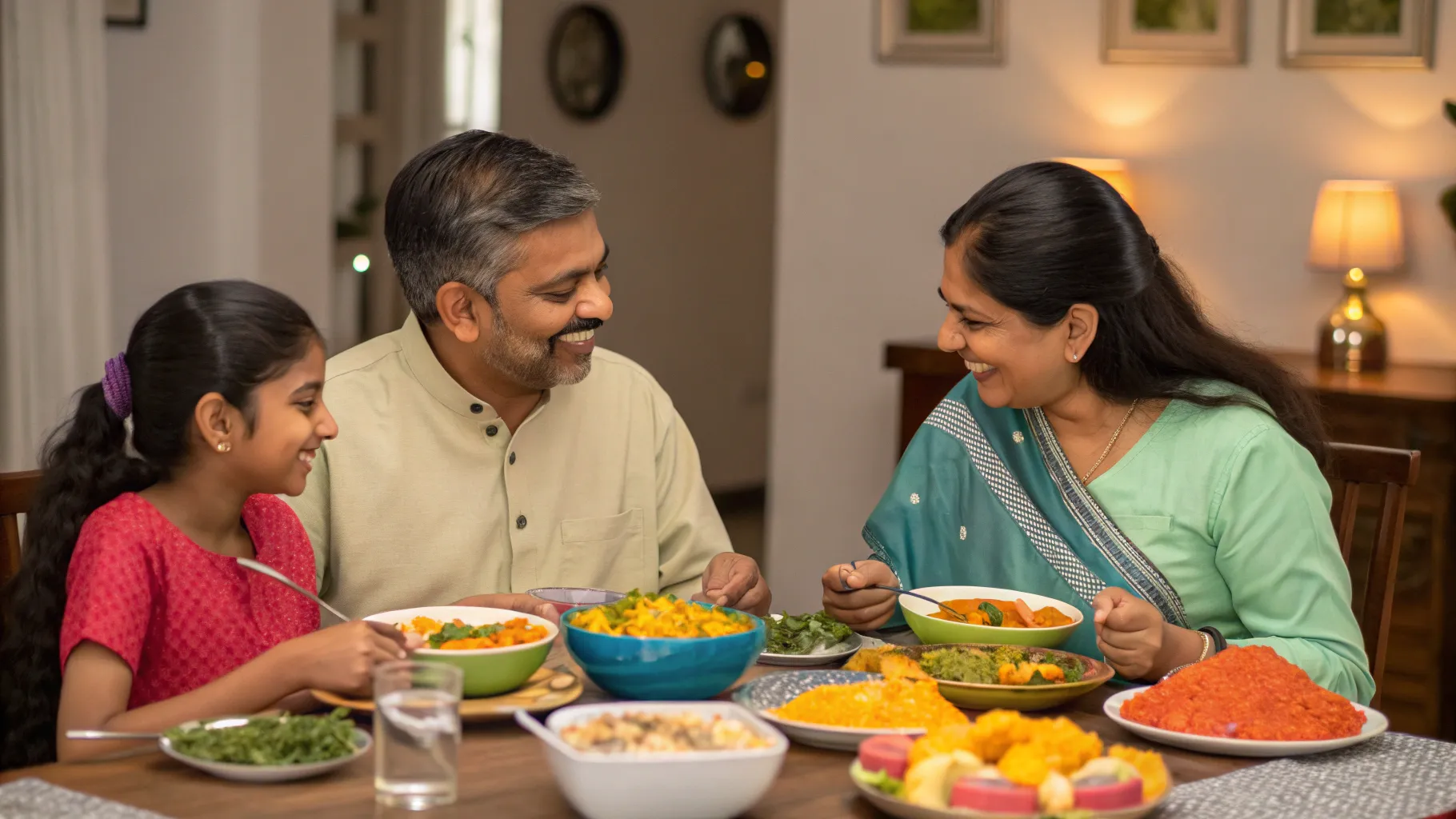
If you've recently been told to "watch your diet" for heart health, you might feel confused. Does eating healthy mean giving up dal, roti, and rice? Do you need to switch to Western salads and bland food?
Here's the reassuring truth: Traditional Indian cuisine can be incredibly heart-healthy. The problem isn't Indian food itself—it's how modern lifestyles have changed the way we cook and eat.
Research shows: A major study published in Advances in Nutrition found that people following high-quality dietary patterns had a 22% lower risk of cardiovascular disease. The MASALA study found that South Asians eating fruits, vegetables, nuts, and legumes had 47% lower odds of metabolic syndrome.
In This Article
Why Heart Health Matters More for Indians
Before we discuss diet, let's understand why this matters so much for Indians specifically.
Critical fact: South Asians develop heart disease about 10 years earlier than people of other ethnicities. Indians also tend to develop heart disease at lower cholesterol levels and lower body weights compared to Western populations.
Several factors contribute to this increased risk:
- • Genetic predisposition to higher levels of harmful blood fats
- • Central obesity (belly fat) even at normal body weight
- • Insulin resistance leading to diabetes at lower BMI
- • Dietary shifts from traditional whole foods to processed foods
- • Sedentary lifestyles with less physical activity
The good news: Diet is one of the most powerful tools you have to reduce your risk. Research in the Journal of Nutrition found that South Asians following a fruits, vegetables, nuts, and legumes pattern had 37% lower odds of hypertension.
The Problem: How Modern Eating Has Changed
Traditional Indian diets were naturally heart-protective. Our grandparents ate whole grains, plenty of vegetables and lentils, small portions of sweets reserved for festivals, minimal fried foods, and home-cooked meals with fresh ingredients.
| Traditional Eating | Modern Eating |
|---|---|
| Whole grains (brown rice, whole wheat) | Refined grains (white rice, maida) |
| Small portions, multiple dishes | Large portions, fewer dishes |
| Occasional sweets | Daily desserts, sweetened drinks |
| Fresh vegetables daily | Fewer vegetables, more processed foods |
| Moderate oil use | Heavy frying, reused oil |
| Home-cooked meals | Takeaway, restaurant food, packaged snacks |
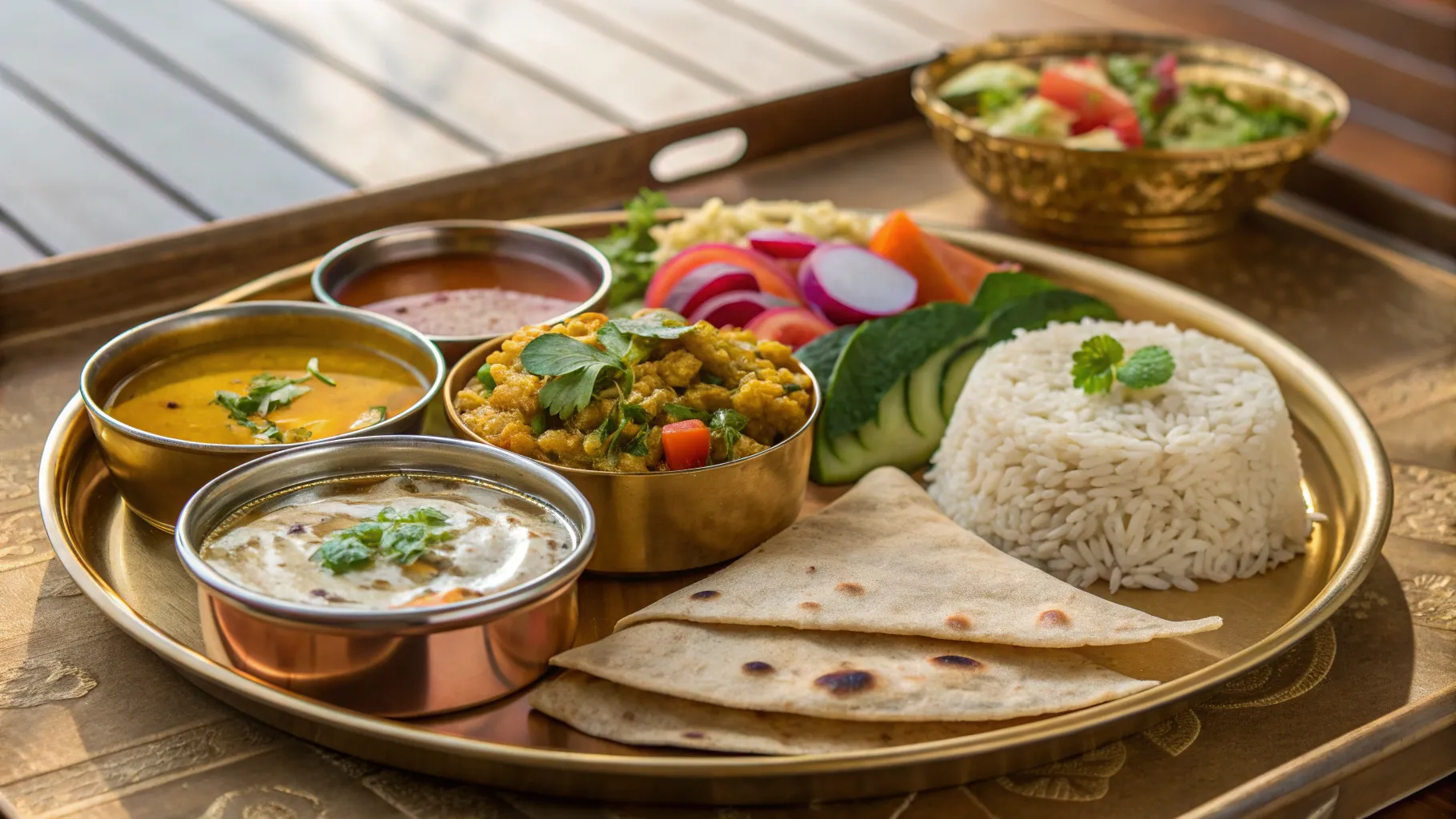
A balanced Indian thali with whole grains, dal, vegetables, and salad is naturally heart-healthy.
Foods That Protect Your Heart
1 Fruits and Vegetables
Aim for: 5-7 servings daily
Heart-Healthy Indian Choices:
- • Leafy greens: Palak (spinach), methi (fenugreek), sarson (mustard greens), bathua
- • Colourful vegetables: Lauki, tinda, parwal, bhindi, baingan, tomatoes, capsicum
- • Seasonal fruits: Papaya, guava, oranges, pomegranate, apples, berries
- • Cruciferous vegetables: Gobhi (cauliflower), patta gobhi (cabbage), broccoli
Tip: Start every meal with a salad or raita. Make vegetable-based sabzi the star of your meal, not a side dish.
2 Whole Grains and Millets
Aim for: 3-4 servings daily (but control portion size)
Choose:
- • Millets: Bajra, jowar, ragi
- • Whole grains: Brown rice, whole wheat atta, barley, oats
- • Ancient grains: Amaranth (rajgira), buckwheat (kuttu)
Reduce:
- • White rice (switch to brown or parboiled)
- • Maida-based products (naan, samosa, biscuits)
- • Instant noodles and processed cereals
Tip: Replace at least one meal's refined grains with millets. Try bajra roti for dinner or ragi dosa for breakfast.
3 Legumes and Pulses (Dals)
Aim for: 1-2 cups cooked dal or legumes daily
Dals are the backbone of Indian vegetarian protein and are excellent for heart health. They're high in fibre, plant protein, and minerals while being low in fat.
Best options: Chana, rajma, lobia (black-eyed peas), sabut moong, sabut masoor, sprouts (moong, chana)
Why they help: The fibre in legumes binds to cholesterol in your gut and removes it from your body.
4 Nuts and Seeds
Aim for: A small handful (30-40 grams) daily
Nuts are rich in healthy fats, fibre, and plant sterols that actively lower cholesterol. Research in Nutrients found almonds particularly beneficial for cardiovascular health.
Best choices: Almonds (badam), walnuts (akhrot), pistachios, flaxseeds (alsi), chia seeds, pumpkin seeds
Tip: Snack on raw or roasted almonds instead of namkeen. Avoid salted or fried nuts.
5 Fish (For Non-Vegetarians)
Aim for: 2-3 servings per week
Fatty fish are the best dietary source of omega-3 fatty acids, which reduce inflammation and protect your arteries.
Best choices: Salmon, mackerel (bangda), sardines, hilsa, rohu — grilled, baked, or steamed (not deep-fried)
For vegetarians: Get omega-3s from flaxseeds, walnuts, chia seeds, and consider algae-based supplements.
6 Heart-Healthy Cooking Oils
Important guidelines:
- • Use oil sparingly—1-2 teaspoons per person per meal
- • Never reuse oil for frying (it forms harmful compounds)
- • Avoid vanaspati (hydrogenated vegetable oil/dalda) completely
- • Limit coconut oil due to high saturated fat content
Recommended Oils:
- • For daily cooking: Groundnut oil, rice bran oil, canola oil
- • For salads/light cooking: Olive oil
- • In moderation: Mustard oil, sesame oil
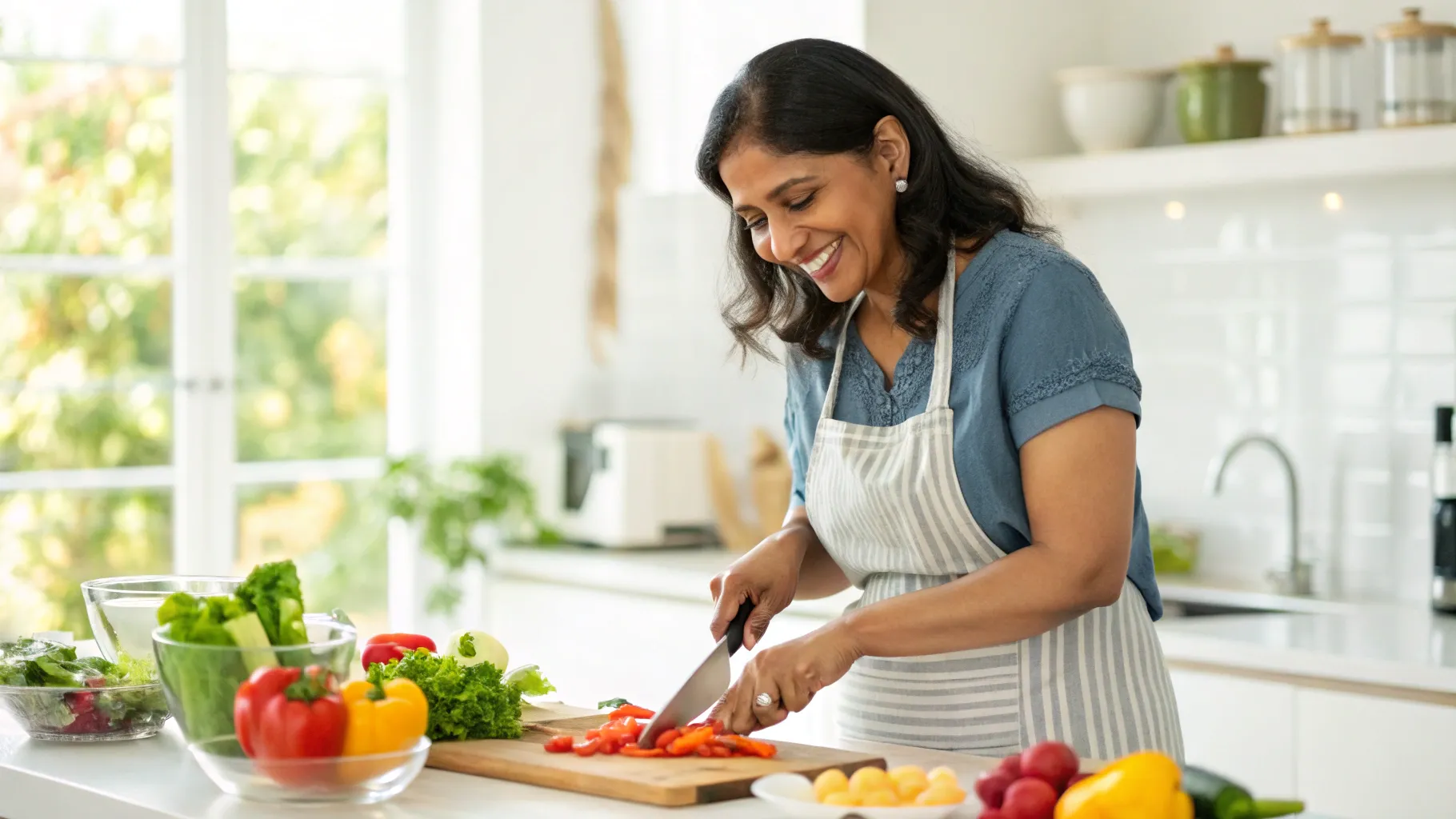
How you cook matters as much as what you cook—use less oil and more spices for flavour.
Foods to Limit or Avoid
Fried Foods and Sweets
The MASALA study found that a dietary pattern high in "fried snacks, sweets, and high-fat dairy" was associated with higher insulin resistance and lower HDL (good) cholesterol.
Reduce or avoid:
- • Samosas, pakoras, bhujia, chips, namkeen
- • Ladoo, barfi, gulab jamun, jalebi
- • Biscuits, cakes, pastries
Healthier swaps:
- • Roasted makhana or chana
- • Fruit with dark chocolate
- • Homemade sweets with jaggery
Added Sugar and Sugary Drinks
Excess sugar raises triglycerides and contributes to weight gain—both major heart disease risk factors.
- • Watch out for: Sweetened chai (typical chai often has 2-3 spoons of sugar!), cold drinks, packaged juices, sweet lassi
- • Tip: Gradually reduce sugar in your chai. If you use 2 spoons, go to 1.5, then 1. Your taste buds will adjust within 2-3 weeks.
Salt (Namak)
High sodium intake directly raises blood pressure. Indians typically consume 9-10 grams of salt daily—almost double the recommended 5 grams.
- • Major sources: Pickles (achaar), papad, packaged snacks, restaurant food
- • Tips: Taste food before adding salt. Use lime, herbs, and spices for flavour instead.
Sample Heart-Healthy Indian Meal Plans
Vegetarian Day
Early Morning (6-7 AM)
Warm water with lemon • 5-6 soaked almonds and 2 walnuts
Breakfast (8-9 AM)
Vegetable oats upma OR moong dal chilla with mint chutney • 1 seasonal fruit
Mid-Morning (11 AM)
Buttermilk (chaas) OR green tea • Small handful of roasted chana
Lunch (1 PM)
1-2 multigrain or bajra roti • 1 cup dal/rajma/chole • 1 cup mixed vegetable sabzi • Salad with cucumber, tomato, onion • Small bowl of low-fat dahi
Evening Snack (4-5 PM)
1 fruit OR sprouts chaat OR handful of makhana
Dinner (7-8 PM)
1 small bowl brown rice/khichdi OR 1 roti • Palak dal or lauki sabzi • 1 cup salad
Non-Vegetarian Day
Breakfast
Egg white omelette with vegetables (2 whites + 1 whole egg) • 1 multigrain toast • 1 fruit
Lunch
Brown rice (1 small cup) • Grilled fish curry (minimal oil) • Mixed vegetable sabzi • Raita
Dinner
Multigrain roti (1-2) • Tandoori chicken (without skin) • Vegetable soup • Salad
Cooking Tips for Heart Health
Use Less Oil
- • Use non-stick pans
- • Measure oil with a teaspoon
- • Try grilling, steaming, baking
- • For tadka, use 1 tsp instead of tbsp
Cook Smart
- • Avoid repeated frying and reusing oil
- • Grill or tandoor instead of deep-frying
- • Pressure cook to retain nutrients
- • Steam vegetables instead of overcooking
Boost Flavour Without Salt
- • Use jeera, dhania, haldi, ajwain
- • Add fresh pudina and dhaniya patta
- • Use garlic, ginger, green chillies
- • Squeeze lime or lemon for brightness
Smart Substitutions
- • Low-fat milk for chai and cooking
- • Low-fat dahi instead of cream in curries
- • Oats/besan to thicken gravies
- • Dates, jaggery instead of sugar
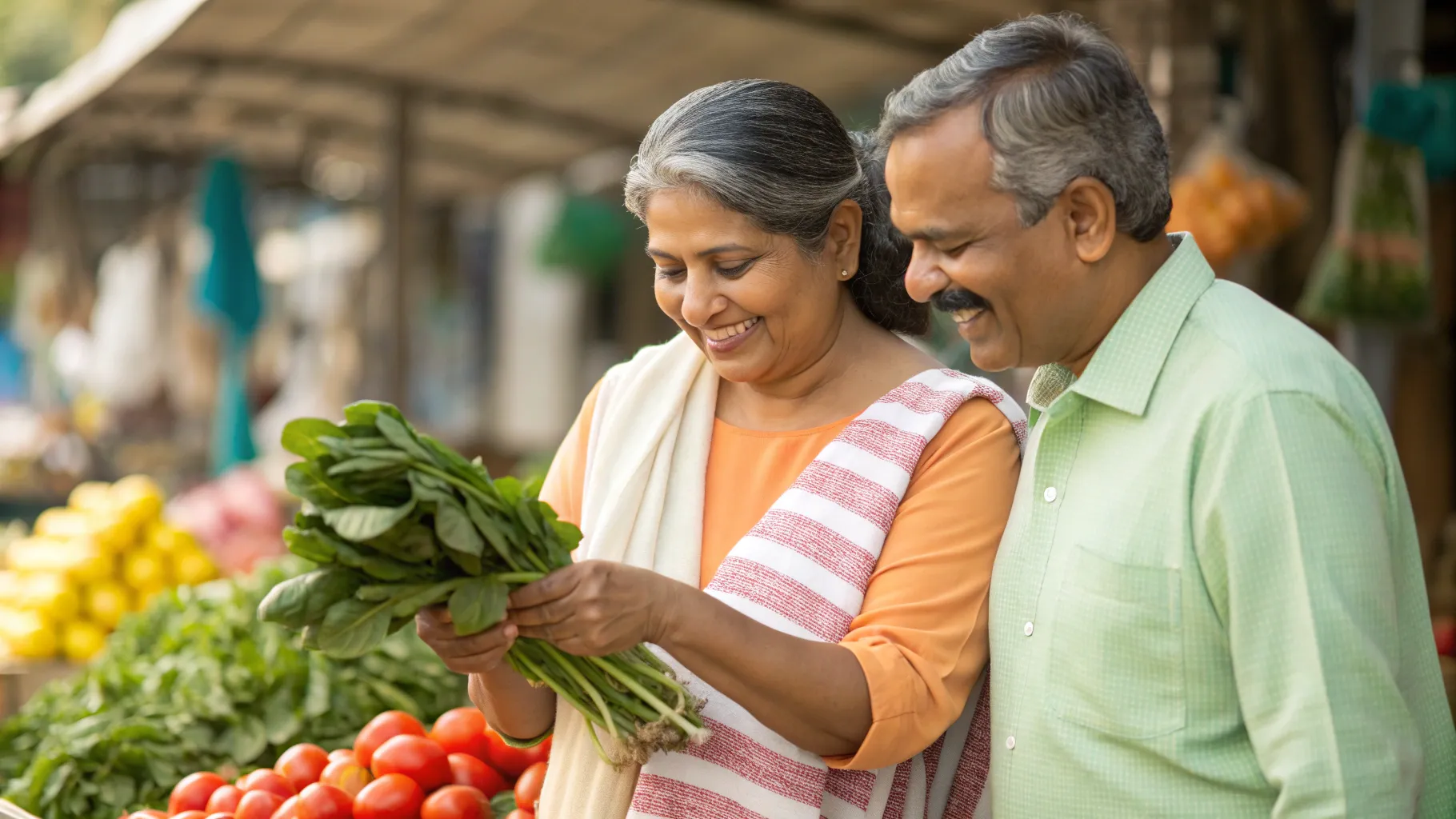
Choosing fresh, local vegetables at the market is the first step to heart-healthy eating.
Special Dietary Considerations
After a Heart Attack or Angioplasty
- • Stricter limits on saturated fats and cholesterol
- • Very low sodium (under 2,000 mg/day)
- • No smoking and no alcohol
- • Smaller, more frequent meals (5-6 times instead of 2-3 large meals)
- • Work with a dietitian for a personalized plan
For Diabetes and Heart Disease
- • Control carbohydrate portions carefully
- • Avoid white rice and maida completely
- • Choose low glycemic index foods (whole grains, legumes)
- • Time your meals regularly to control blood sugar spikes
For High Blood Pressure
- • Strict sodium restriction (less than 5 grams salt/day)
- • High potassium foods: Bananas, oranges, potatoes, spinach
- • DASH diet principles (more fruits, vegetables, low-fat dairy)
- • Limit alcohol completely
The Role of Indian Spices
Many traditional Indian spices have heart-protective properties:
| Spice | Potential Benefit |
|---|---|
| Haldi (Turmeric) | Anti-inflammatory, may help with cholesterol |
| Methi (Fenugreek) | May help lower blood sugar and cholesterol |
| Dalchini (Cinnamon) | May help with blood sugar control |
| Lahsun (Garlic) | May help reduce blood pressure |
| Adrak (Ginger) | Anti-inflammatory properties |
Important note: While spices have health benefits, they work best as part of an overall healthy diet—not as magic cures. Don't rely on supplements; use spices generously in your daily cooking.
Frequently Asked Questions
Can I eat rice if I have heart disease? ▼
Yes, but choose wisely. Brown rice, parboiled rice, or hand-pounded rice are better than polished white rice because they retain more fibre. Keep portions moderate—about 1 cup cooked rice per meal. Pairing rice with plenty of vegetables and dal slows down sugar absorption.
Is ghee bad for the heart? ▼
Ghee is high in saturated fat, so it should be limited, not eliminated. Small amounts (1-2 teaspoons daily) as part of an otherwise healthy diet are generally acceptable. Avoid using ghee for deep frying. The bigger concern is overall saturated fat intake—if you're having ghee, reduce other sources like full-fat dairy and fried foods.
Are eggs safe for heart patients? ▼
For most people, 1 egg per day is safe. Research has moved away from strict egg restrictions. Focus on preparation—boiled or poached eggs are better than fried. If you have very high cholesterol or diabetes, discuss egg limits with your doctor.
What about coconut oil and coconut? ▼
Fresh coconut in moderation is fine—it provides fibre along with fat. However, coconut oil is very high in saturated fat (even higher than butter) and should be used sparingly or avoided if you have high cholesterol. Don't believe claims that coconut oil is a "superfood" for heart health—the evidence doesn't support this.
Can vegetarians get enough protein for heart health? ▼
Absolutely. A well-planned vegetarian diet can meet all protein needs. Combine dals and legumes (rajma, chole, moong, masoor) with whole grains for complete protein. Add paneer (from low-fat milk), low-fat dahi, nuts, and seeds. Research suggests vegetarian diets may actually be better for heart health when properly planned.
How soon will I see results from dietary changes? ▼
You may notice energy improvements within 1-2 weeks. Cholesterol levels typically show improvement within 6-8 weeks of consistent dietary changes. Blood pressure may respond even faster—within 2-4 weeks. For long-term heart protection, maintain these changes as a permanent lifestyle, not a temporary diet.
Is non-veg food bad for the heart? ▼
Not necessarily. Fish is actually recommended 2-3 times weekly for heart health. Lean chicken (without skin) in moderate portions is acceptable. The concern is with red meat (mutton, beef) and processed meats, which should be limited. Preparation matters too—grilled or baked is better than fried.
What should I eat when dining out? ▼
Choose tandoori dishes over gravy-based curries. Ask for less oil and salt. Start with soup or salad. Choose dal and vegetable dishes. Skip naan and butter-heavy breads; choose roti. Avoid cream-based gravies. Share dessert or skip it entirely.
The Bottom Line
A heart-healthy Indian diet isn't about giving up your cultural food traditions. It's about returning to the wisdom of traditional Indian eating while making smart adjustments for modern life.
Remember these key principles:
- Fill half your plate with vegetables and fruits
- Choose whole grains and millets over refined grains
- Eat plenty of dals, legumes, nuts, and seeds
- Use cooking oils sparingly and wisely
- Limit fried foods, sweets, and excessive salt
- Cook more meals at home
- Make changes the whole family can follow
Small, consistent changes add up to big results. Your heart will thank you for every healthy choice you make.
References
- Charitha Koneru S, Sikand G, Agarwala A. Optimizing Dietary Patterns and Lifestyle to Reduce Atherosclerotic Cardiovascular Risk Among South Asian Individuals. Am J Cardiol. 2023;203:113-121. PMID: 37487405
- Chopra AK. Dietary management of dyslipidemia. Indian Heart J. 2024;76 Suppl 1:S65-S72. PMID: 38122980
- Gadgil MD, et al. Dietary patterns are associated with metabolic risk factors in South Asians living in the United States. J Nutr. 2015;145(6):1211-7. PMID: 25904730
- Poddar KH, et al. Mustard oil and cardiovascular health: Why the controversy? J Clin Lipidol. 2022;16(1):13-22. PMID: 34924350
- Gupta L, Khandelwal D, Kalra S. Increasing fibre in South Asian Diets. J Pak Med Assoc. 2018;68(7):1135-1136. PMID: 30317321
- Lim GH, et al. Dietary Patterns and Cardiovascular Diseases in Asia: A Systematic Review and Meta-Analysis. Adv Nutr. 2024;15(7):100249. PMID: 39009489

About the Author
Dr. Shailesh Singh is a Senior Consultant Interventional Cardiologist at BLK-Max Super Speciality Hospital, New Delhi, and formerly Consultant at Fortis Escorts Heart Institute. With extensive experience in preventive cardiology and lifestyle medicine, he helps patients optimize their diet and lifestyle for better heart health.
Learn more about Dr. Singh →Need Personalized Dietary Guidance?
Dr. Shailesh Singh offers comprehensive cardiovascular risk assessment and personalized lifestyle counseling to help you eat right for your heart.
Hospital: BLK-Max Super Speciality Hospital, New Delhi | Formerly Consultant, Fortis Escorts Heart Institute
Medical Disclaimer: This article is for informational purposes only and should not be considered medical advice. Always consult with a qualified healthcare provider for diagnosis and treatment of any medical condition.