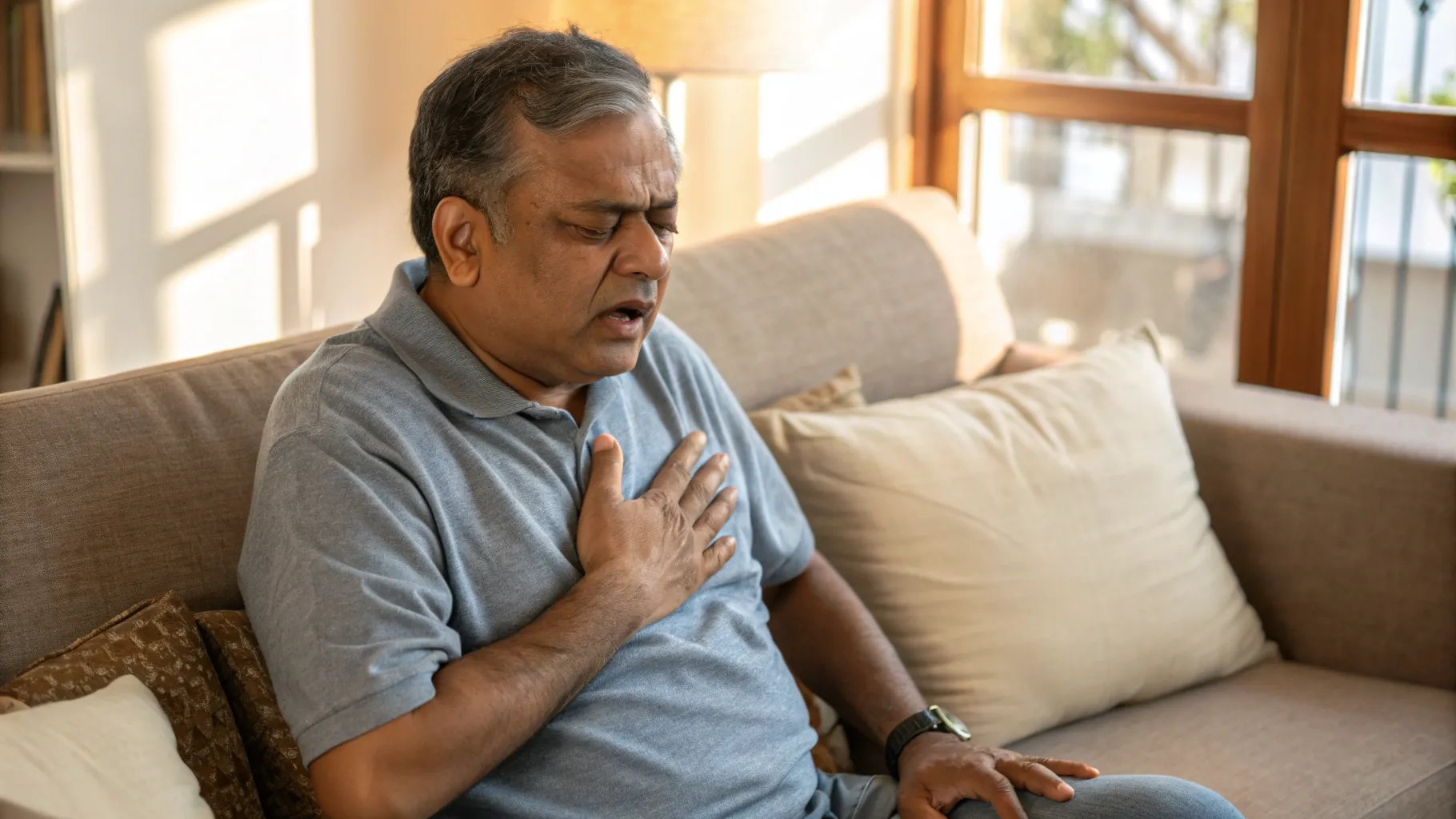
You're sitting on the couch, not doing anything strenuous, yet you feel like you can't catch your breath. This frightening sensation affects millions of people, and naturally, your first question is: "Is this my heart or my lungs?"
Shortness of breath while resting—what doctors call dyspnea at rest—can come from many different causes. The good news? Once we identify the source, most causes are treatable.
In This Article
What Does Shortness of Breath Feel Like?
Shortness of breath (dyspnea) isn't just one sensation. People describe it in many ways:
"I can't get enough air"
Feeling like each breath isn't satisfying
"My chest feels tight"
A squeezing sensation that makes breathing difficult
"I'm working hard to breathe"
Even simple breaths feel like effort
"I feel like I'm suffocating"
A sensation of not getting oxygen
Research note: According to research published in the Deutsches Arzteblatt International, dyspnea affects up to 25% of patients seen in outpatient settings, making it one of the most common symptoms doctors encounter.
The Two Main Culprits: Heart vs. Lungs
Your heart and lungs work together like partners. Your lungs bring oxygen into your body, and your heart pumps that oxygen-rich blood to every organ and tissue. When either partner struggles, you feel it as breathlessness.
How Heart Problems Cause Shortness of Breath
When your heart isn't pumping efficiently, blood can back up into your lungs. This causes fluid to leak into the lung tissue, making it harder to breathe. Think of it like trying to breathe through a wet sponge.
Heart Failure (Congestive Heart Failure)
Your heart muscle is too weak to pump blood effectively. Fluid builds up in your lungs. Affects about 6 million adults in the United States alone.
Coronary Artery Disease
Blocked arteries reduce blood flow to the heart. Can cause breathlessness even before a heart attack occurs.
Heart Valve Problems
Leaky or narrowed valves make your heart work harder, leading to breathlessness.
Arrhythmias (Irregular Heartbeat)
When your heart beats too fast, too slow, or irregularly, it can't fill or pump blood efficiently.
How Lung Problems Cause Shortness of Breath
Lung diseases directly affect your ability to get oxygen into your bloodstream.
COPD (Chronic Obstructive Pulmonary Disease)
Airways become narrow and damaged. Traps air in the lungs, making exhaling difficult.
Asthma
Airways become inflamed and narrow. Can cause sudden episodes of breathlessness.
Pneumonia
Infection fills lung tissue with fluid. Reduces the area available for oxygen exchange.
Pulmonary Embolism (Blood Clot in Lung)
A blood clot blocks blood flow in the lungs. This is a medical emergency.

Waking up at night gasping for air (paroxysmal nocturnal dyspnea) is a classic sign of heart-related breathlessness.
How to Tell If It's Your Heart or Your Lungs
While only a doctor can give you a definitive answer, certain clues can help point toward the cause.
Signs That Point to Heart Problems
| Symptom | What It Means |
|---|---|
| Worse when lying flat | Fluid shifts into your lungs when horizontal |
| Waking up gasping at night | Called paroxysmal nocturnal dyspnea (PND) |
| Swelling in legs or ankles | Fluid backup from poor heart pumping |
| Rapid weight gain | 2-3 pounds overnight suggests fluid retention |
| History of heart disease | Previous heart attack or known heart problems |
Key finding: Research in JAMA found that a history of heart failure increases the likelihood of cardiac-related breathlessness by nearly 6 times.
Signs That Point to Lung Problems
| Symptom | What It Means |
|---|---|
| Wheezing or whistling sounds | Suggests airway narrowing |
| Coughing up phlegm regularly | Points to chronic lung disease |
| Breathlessness with cold air | Often triggers asthma |
| History of smoking | Major risk factor for COPD |
| Fever with breathlessness | May indicate pneumonia |
The Overlap: When It's Both
In 30-50% of cases, diagnosing the cause of dyspnea requires additional testing because symptoms overlap. Some people have both heart and lung problems contributing to their breathlessness simultaneously.
When to Seek Emergency Care
Call Emergency Services (102/108) Immediately If You Experience:
- •Sudden, severe shortness of breath that came on quickly
- •Chest pain or pressure along with breathlessness
- •Fainting or near-fainting
- •Confusion or difficulty staying alert
- •Bluish color of lips or fingernails (cyanosis)
- •Coughing up blood or pink, frothy sputum
- •Breathlessness with leg swelling that appeared suddenly
These could indicate a heart attack, pulmonary embolism, or acute heart failure.

Your cardiologist will use a step-by-step approach to identify the cause of your breathlessness.
How Doctors Diagnose the Cause
When you see a doctor for breathlessness, they'll use a step-by-step approach to find the cause.
First-Line Tests
Physical Examination
Listening to your heart and lungs, checking for leg swelling
BNP Blood Test
Low levels strongly suggest breathlessness is NOT from heart failure
Chest X-Ray
Shows heart size, fluid in lungs, or lung diseases
ECG (Electrocardiogram)
Detects irregular heart rhythms and signs of heart attacks
Pulse Oximetry
Simple clip on your finger measures oxygen levels
Complete Blood Count
Checks for anemia that could be causing breathlessness
Advanced Tests If Needed
Echocardiogram (2D Echo)
Ultrasound of your heart showing how well it pumps
Pulmonary Function Tests (Spirometry)
Measures how well your lungs work
CT Scan of Chest
Detailed images of heart and lungs
Stress Test
Monitors your heart while exercising
Treatment Approaches
Treatment depends entirely on the underlying cause.
For Heart-Related Breathlessness
- Medications: Diuretics (water pills), blood pressure medicines
- Lifestyle: Low-salt diet, fluid restriction, daily weight monitoring
- Procedures: Angioplasty, valve repair, pacemaker
- Cardiac Rehab: Supervised exercise program
For Lung-Related Breathlessness
- Inhalers: Bronchodilators and steroids
- Oxygen Therapy: Supplemental oxygen if needed
- Pulmonary Rehab: Breathing exercises
- Antibiotics: If infection is the cause

With proper treatment and lifestyle changes, most people with chronic breathlessness can lead active, fulfilling lives.
Practical Tips for Managing Breathlessness
Sleep with head elevated
Use 2-3 pillows or raise the head of your bed
Take medications as prescribed
Skipping doses can worsen symptoms
Weigh yourself daily
2-3 pound gain overnight indicates fluid buildup
Limit salt intake
Aim for less than 2,000 mg sodium per day
Stay active within limits
Gentle walking improves overall fitness
Quit smoking
Single most important step for lung health
Frequently Asked Questions
Can anxiety cause shortness of breath while resting? ▼
Yes, anxiety and panic attacks can cause very real shortness of breath, even at rest. During anxiety, you may hyperventilate or feel like you can't take a satisfying breath. The key difference: anxiety-related breathlessness usually improves with relaxation techniques and doesn't come with other physical signs like leg swelling.
Why do I feel more breathless when lying down? ▼
Feeling more breathless when lying flat is called orthopnea, and it's often a sign of heart failure. When you lie down, blood flows back toward your heart and lungs. If your heart is weak, fluid backs up into your lungs. Many people with heart failure sleep with multiple pillows or in a recliner.
Is shortness of breath always serious? ▼
Not always, but shortness of breath at rest should never be ignored. While it can be caused by temporary factors like anxiety, it can also indicate serious conditions like heart failure or pulmonary embolism. If breathlessness is new, worsening, or accompanied by other symptoms, see a doctor promptly.
How quickly should I see a doctor for breathlessness? ▼
If your breathlessness is sudden and severe, or comes with chest pain, confusion, or fainting—go to the emergency room immediately. For breathlessness that has developed gradually over weeks or months, schedule an appointment within a few days to a week.
Can heart failure be cured? ▼
While heart failure is a chronic condition, it can often be well-managed with proper treatment. Many people lead active, fulfilling lives for years after diagnosis. Treatment advances including medications, devices like pacemakers, and lifestyle modifications have significantly improved outcomes.
What's the difference between dyspnea and shortness of breath? ▼
They mean the same thing. Dyspnea is simply the medical term for shortness of breath or difficulty breathing. Doctors use "dyspnea" in medical records and research, but when speaking with patients, we say "shortness of breath" or "breathlessness."
Should I exercise if I'm experiencing shortness of breath? ▼
This depends on the cause and severity. If you have diagnosed heart or lung disease, ask your doctor what level of activity is safe. Generally, controlled exercise under medical supervision can actually improve breathlessness over time. Stop exercising immediately if you experience severe breathlessness, chest pain, or dizziness.
Can losing weight help with shortness of breath? ▼
Yes, weight loss can significantly improve breathlessness, especially if obesity is contributing to your symptoms. Extra weight strains both your heart and lungs. Even modest weight loss of 5-10% of body weight often leads to noticeable improvement in breathing.
References
- Budhwar N, Syed Z. Chronic Dyspnea: Diagnosis and Evaluation. Am Fam Physician. 2020;101(9):542-548. PMID: 32352727
- Berliner D, et al. The Differential Diagnosis of Dyspnea. Dtsch Arztebl Int. 2016;113(49):834-845. PMID: 28098068
- Chen J, Aronowitz P. Congestive Heart Failure. Med Clin North Am. 2022;106(3):447-458. PMID: 35491065
- Wang CS, et al. Does this dyspneic patient have congestive heart failure? JAMA. 2005;294(15):1944-56. PMID: 16234501
- Reddy YNV, et al. Diagnosis of Heart Failure With Preserved Ejection Fraction. JAMA Cardiol. 2022;7(9):891-899. PMID: 35830183
About the Author
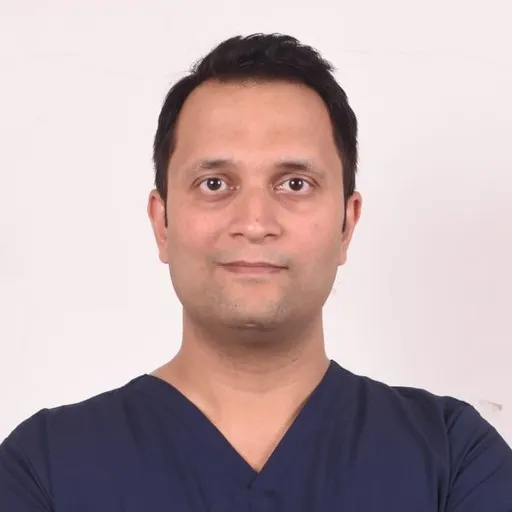
Dr. Shailesh Singh is a Senior Consultant Interventional Cardiologist at BLK-Max Super Speciality Hospital, New Delhi, and formerly Consultant at Fortis Escorts Heart Institute. With extensive experience diagnosing and treating heart conditions that cause shortness of breath, he provides comprehensive cardiac care for patients across Delhi NCR.
Learn more about Dr. Singh →Experiencing Shortness of Breath?
Don't ignore breathlessness, especially if it occurs at rest or is getting worse. Dr. Shailesh Singh offers comprehensive cardiac evaluation to identify the cause and recommend appropriate treatment.
Hospital: BLK-Max Super Speciality Hospital, New Delhi | Formerly Consultant, Fortis Escorts Heart Institute
Medical Disclaimer: This article is for informational purposes only and should not be considered medical advice. If you're experiencing severe or sudden shortness of breath, seek emergency medical care immediately.