
Have you ever felt your heart suddenly race, flutter, or skip a beat? That unsettling sensation—like your heart is pounding out of your chest—is what doctors call heart palpitations.
If you've experienced this, you're not alone. Palpitations are one of the most common reasons people visit their doctor or a cardiologist. The good news? In most cases, palpitations are completely harmless. But understanding what's happening and knowing when to seek help can give you peace of mind.
In This Article
What Are Heart Palpitations?
Heart palpitations are the sensation of feeling your own heartbeat. Normally, you don't notice your heart beating. But when you have palpitations, you become acutely aware of it.
People describe palpitations in different ways:
Your heart beats much faster than normal
A light, rapid sensation in your chest
Strong, forceful heartbeats in chest or neck
Feeling like your heart pauses or misses a beat
You might feel palpitations in your chest, throat, or neck. They can last a few seconds or continue for several minutes. Some people experience them occasionally, while others have them frequently.
What Causes Heart Palpitations?
Palpitations have many different causes. Research published in the Australian Journal of General Practice confirms that while palpitations are common, they are usually benign (not dangerous).
1 Non-Heart-Related Causes (Most Common)
Many palpitations have nothing to do with heart problems:
Lifestyle Triggers
- • Caffeine (coffee, tea, energy drinks)
- • Alcohol
- • Nicotine and tobacco
- • Recreational drugs
- • Dehydration
- • Skipping meals or low blood sugar
Emotional & Physical Factors
- • Stress and anxiety
- • Panic attacks
- • Intense exercise
- • Lack of sleep
- • Fever
Medications & Supplements
- • Decongestants (cold medicines)
- • Asthma inhalers
- • Diet pills
- • Some herbal supplements
- • Thyroid medication (if too high)
Hormonal Changes
- • Pregnancy
- • Menstruation
- • Menopause
2 Heart-Related Causes
Sometimes palpitations signal an underlying heart rhythm problem (arrhythmia):
Premature Heartbeats (Most Common Heart Cause)
PVCs (Premature Ventricular Contractions) – Extra beats from the lower heart chambers
PACs (Premature Atrial Contractions) – Extra beats from the upper heart chambers
According to research in Circulation, PVCs are extremely common and found in the majority of people who undergo heart monitoring. Most are harmless.
Other Arrhythmias
- • Atrial fibrillation (AFib) – Irregular, often rapid heartbeat
- • Supraventricular tachycardia (SVT) – Sudden episodes of fast heart rate
- • Ventricular tachycardia – Rapid heartbeat from the ventricles (less common but more serious)
3 Medical Conditions That Cause Palpitations
- Thyroid problems — An overactive thyroid commonly causes a racing heart
- Anemia — Low red blood cell count makes your heart work harder
- Low blood pressure — Can trigger faster heartbeats
- Electrolyte imbalances — Low potassium or magnesium levels
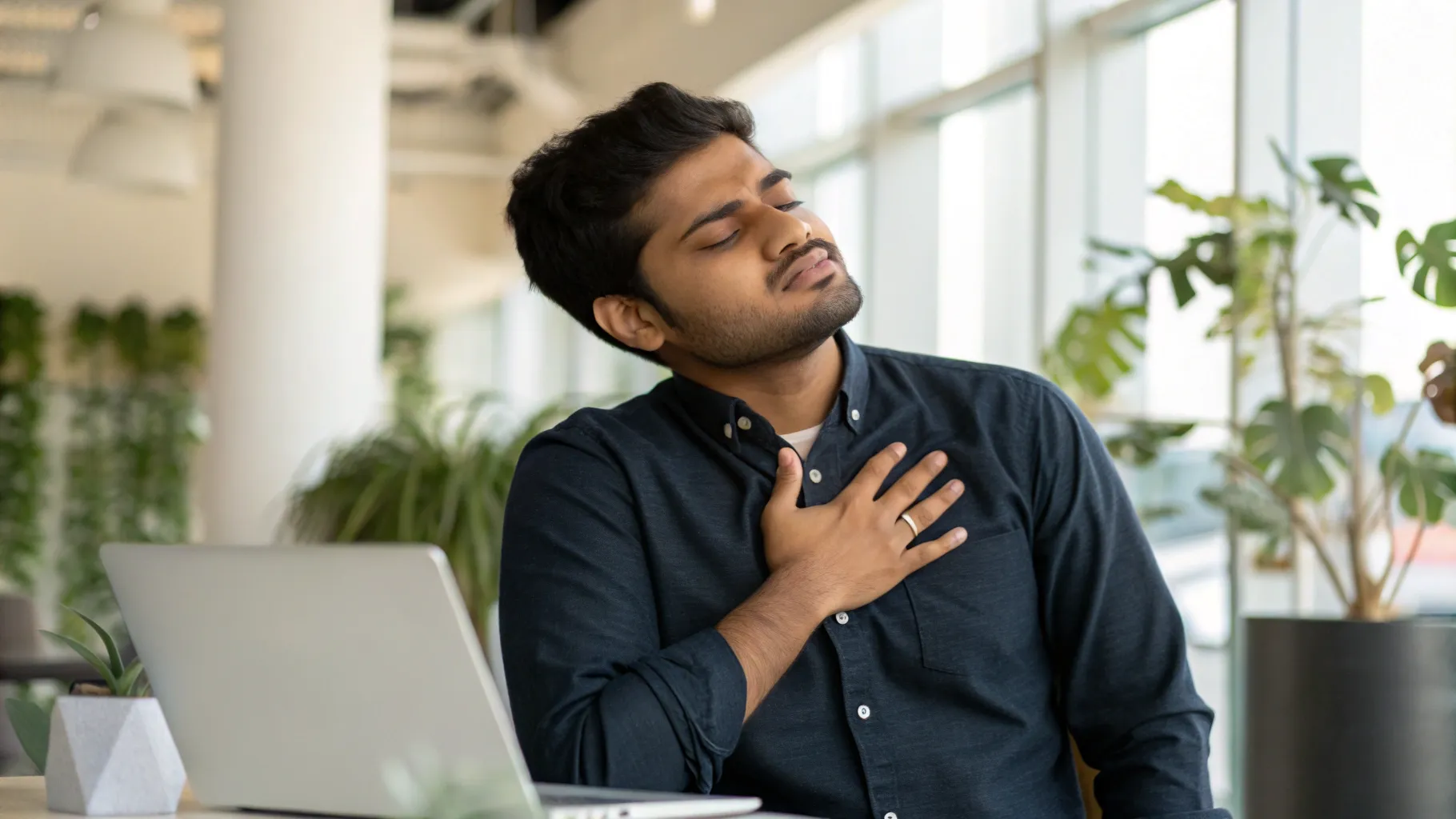
Stress and anxiety at work are common triggers for palpitations. Taking breaks and practicing deep breathing can help.
Are My Palpitations Serious?
This is the question everyone wants answered. Here's how doctors think about it.
Signs That Palpitations Are Likely Harmless
- • They last only a few seconds
- • They happen occasionally
- • They stop when you rest or relax
- • They're triggered by obvious causes (coffee, stress, exercise)
- • You feel fine otherwise
- • You have no history of heart disease
- • Your heart rate returns to normal quickly
Warning Signs That Need Immediate Attention
Seek emergency care if palpitations occur with:
- • Chest pain or pressure
- • Severe shortness of breath
- • Fainting or near-fainting
- • Dizziness or lightheadedness
- • Confusion
These symptoms could indicate a serious heart rhythm problem or even a heart attack.
When to Schedule a Doctor's Visit
- • Palpitations are frequent or getting worse
- • They last more than a few minutes
- • You have a history of heart disease
- • You have risk factors (high BP, diabetes, family history)
- • They significantly affect your quality of life
- • They come with mild shortness of breath or fatigue
How Are Palpitations Diagnosed?
According to research in the Medical Clinics of North America, a detailed history, physical examination, and ECG alone can often identify the cause of palpitations.
What to Expect at Your Appointment
Your Doctor Will Ask About:
- • How the palpitations feel
- • How often they occur
- • How long they last
- • What triggers them
- • Your caffeine and alcohol use
- • Your stress levels
Physical Examination:
- • Listening to your heart and lungs
- • Checking pulse and blood pressure
- • Examining your thyroid
- • Looking for signs of anemia
Tests You May Need
Electrocardiogram (ECG/EKG)
A simple, painless test that records your heart's electrical activity. Takes just a few minutes.
Holter Monitor
A portable ECG you wear for 24-48 hours. Continuously records your heart rhythm to catch irregular beats.
Event Monitor
Worn for weeks. Press a button when you feel palpitations, and it records what's happening.
Echocardiogram
An ultrasound of your heart to check its structure and function.
Blood Tests
To check for thyroid problems, anemia, and electrolyte imbalances.
How Are Palpitations Treated?
Treatment depends entirely on the cause. If your palpitations are benign, you may not need any treatment at all—just reassurance.
Lifestyle Changes
For many people, simple changes reduce or eliminate palpitations:
- • Reduce caffeine – Cut back on coffee, tea, energy drinks
- • Limit alcohol – Even moderate drinking can trigger palpitations
- • Quit smoking – Nicotine affects heart rhythm
- • Manage stress – Try deep breathing, meditation, yoga
- • Get enough sleep – Fatigue can trigger palpitations
- • Stay hydrated – Dehydration stresses your heart
Treating Underlying Conditions
If a medical condition is causing palpitations, treating it often solves the problem:
- • Thyroid medication adjustments
- • Iron supplements for anemia
- • Electrolyte replacement
Medications
When lifestyle changes aren't enough:
- • Beta-blockers – Slow heart rate and reduce palpitations
- • Calcium channel blockers – Help control heart rhythm
- • Anti-arrhythmic drugs – For specific rhythm disorders
Procedures
For certain arrhythmias that don't respond to medication:
- • Catheter ablation – Destroys tissue causing abnormal rhythms
- • Pacemaker – For slow heart rhythms
- • Cardioversion – Electrical shock to restore normal rhythm

A thorough evaluation by a cardiologist can provide answers and peace of mind about your palpitations.
Living with Palpitations
If you experience palpitations, these tips can help:
Keep a Palpitation Diary
Record when they happen, what you were doing, what you ate or drank, and how you were feeling. This helps identify triggers.
Learn Your Triggers
Once you know what sets off your palpitations, you can avoid those triggers.
Practice Relaxation
Stress and anxiety are major triggers. Deep breathing, meditation, and yoga can help.
Don't Panic
Anxiety about palpitations can make them worse. Remember that most are harmless.
Frequently Asked Questions
Can anxiety cause heart palpitations? ▼
Yes, absolutely. Anxiety and panic attacks are among the most common causes of palpitations. When you're anxious, your body releases stress hormones that speed up your heart. The sensation of palpitations can then increase anxiety, creating a cycle. Learning stress management techniques often helps break this cycle.
Are heart palpitations dangerous? ▼
Most palpitations are not dangerous. They're often caused by caffeine, stress, or harmless extra heartbeats. However, palpitations accompanied by chest pain, fainting, or severe shortness of breath need immediate medical attention. If you're concerned, see a cardiologist for evaluation.
How many palpitations per day is normal? ▼
It's normal to have occasional extra heartbeats—most people have them daily without noticing. Studies show that even hundreds of PVCs (premature ventricular contractions) per day can be normal in people with healthy hearts. The concern isn't the number alone, but whether they cause symptoms or occur with underlying heart disease.
Can I exercise if I have palpitations? ▼
In most cases, yes. Exercise is actually good for heart health and can reduce palpitations over time. However, if exercise triggers your palpitations, or if they come with dizziness or chest pain, talk to your doctor first. You may need testing to ensure it's safe.
Do palpitations go away on their own? ▼
Many palpitations resolve once the trigger is removed. For example, cutting back on caffeine or managing stress often eliminates palpitations. Hormonal palpitations during pregnancy or menopause usually improve over time. If palpitations persist or worsen, medical evaluation is recommended.
When should I go to the emergency room? ▼
Go to the ER if palpitations occur with chest pain, fainting, severe shortness of breath, or confusion. Also seek emergency care if palpitations last more than a few minutes and make you feel unwell, or if you have known heart disease and experience new or different palpitations.
Can dehydration cause palpitations? ▼
Yes. When you're dehydrated, your blood volume decreases, and your heart has to work harder to pump blood. This can cause your heart to beat faster and trigger palpitations. Staying well-hydrated, especially in hot weather or during exercise, can help prevent this.
Are palpitations at night more serious? ▼
Not necessarily. Palpitations may seem more noticeable at night because you're lying still in a quiet environment, more aware of your body. Some people notice them more when lying on their left side. However, if nighttime palpitations wake you from sleep or prevent you from sleeping, discuss this with your doctor.
References
- McLellan AJ, Kalman JM. Approach to palpitations. Aust J Gen Pract. 2019;48(4):204-209. PMID: 31256490
- Weinstock C, Wagner H, Snuckel M, Katz M. Evidence-Based Approach to Palpitations. Med Clin North Am. 2021;105(1):93-106. PMID: 33246525
- von Alvensleben JC. Syncope and Palpitations: A Review. Pediatr Clin North Am. 2020;67(5):801-810. PMID: 32888682
- Marcus GM. Evaluation and Management of Premature Ventricular Complexes. Circulation. 2020;141(17):1404-1418. PMID: 32339046
About the Author
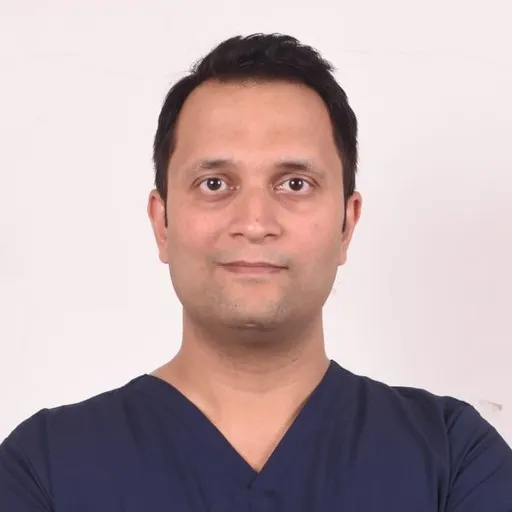
Dr. Shailesh Singh is a Senior Consultant Interventional Cardiologist at BLK-Max Super Speciality Hospital, New Delhi, and formerly Consultant at Fortis Escorts Heart Institute. With extensive experience in cardiac evaluation and heart rhythm disorders, he provides comprehensive care for patients experiencing palpitations and other cardiac symptoms across Delhi NCR.
Learn more about Dr. Singh →Concerned About Heart Palpitations?
If you're experiencing frequent or concerning palpitations, a thorough cardiac evaluation can provide answers and peace of mind. Dr. Shailesh Singh offers comprehensive heart rhythm evaluation with same-week appointments available.
Hospital: BLK-Max Super Speciality Hospital, New Delhi | Formerly Consultant, Fortis Escorts Heart Institute
Medical Disclaimer: This article is for informational purposes only and should not be considered medical advice. Every patient's situation is unique. Always consult with a qualified healthcare provider for diagnosis and treatment of any medical condition.