
Your heart suddenly races for no reason. Or it feels like it skips a beat. Maybe it flutters strangely in your chest. These sensations can be frightening—but you're not alone.
Millions of people experience arrhythmias (irregular heartbeats) at some point in their lives. Some are completely harmless. Others need treatment. The key is understanding what's happening inside your heart and knowing when to seek help.
In This Article
What Is an Arrhythmia?
An arrhythmia is any change in the normal rhythm of your heartbeat. Your heart has its own electrical system that tells it when to beat. When this system works correctly, your heart beats steadily—about 60 to 100 times per minute at rest.
When something disrupts these electrical signals, your heart may:
More than 100 beats per minute at rest
Fewer than 60 beats per minute
Skipping beats or adding extra beats
Chambers not working together properly
Think of it this way: Your heart's electrical system is like a conductor leading an orchestra. When the conductor keeps steady time, the music flows smoothly. When the conductor's timing is off, the music becomes chaotic.
Not all arrhythmias are dangerous. Many people have occasional extra heartbeats that cause no problems. However, some arrhythmias can affect how well your heart pumps blood, lead to stroke, or even become life-threatening.
Types of Arrhythmias
Arrhythmias are grouped based on where they start in the heart and whether they make your heart beat too fast or too slow.
↑ Fast Heartbeats (Tachycardia)
When your heart beats faster than 100 times per minute at rest:
Atrial Fibrillation (AFib)
The most common type of arrhythmia. In AFib, the upper chambers of your heart (the atria) quiver chaotically instead of beating normally. This causes an irregular and often rapid heartbeat.
Research shows that about 10% of hospitalized patients develop new-onset atrial fibrillation. Among people who already have AFib, 23% to 33% experience a recurrence. AFib increases the risk of blood clots and stroke.
Atrial Flutter
Similar to AFib, but the heartbeat is more organized. The atria beat very fast—up to 300 times per minute—but in a regular pattern. This often causes your ventricles to beat around 150 times per minute.
Supraventricular Tachycardia (SVT)
Fast heart rhythms that start above the ventricles. SVT often begins and ends suddenly. Your heart may race at 150 to 250 beats per minute. While frightening, SVT is usually not life-threatening in people with otherwise healthy hearts.
Ventricular Tachycardia (VT) ⚠️
A more serious arrhythmia that starts in the heart's lower chambers. VT causes a fast, regular heartbeat that may last only a few seconds or continue dangerously.
Studies found that about 5.9% of hospitalized patients experienced VT or VF. Both are clearly associated with worse outcomes and require immediate attention.
Ventricular Fibrillation (VF) ⚠️
The most dangerous arrhythmia. The ventricles quiver uselessly instead of pumping blood. Without immediate treatment (defibrillation), VF causes death within minutes.
↓ Slow Heartbeats (Bradycardia)
When your heart beats fewer than 60 times per minute:
Sick Sinus Syndrome
The sinus node is your heart's natural pacemaker. When it malfunctions, your heart may beat too slowly, pause, or alternate between slow and fast rhythms.
According to research in the American Journal of Physiology, sinus node dysfunction is most commonly seen in elderly patients due to age-related changes and fibrosis.
Heart Block
Electrical signals are delayed or blocked on their way from the atria to the ventricles. This can be mild (first-degree block) or severe (third-degree or complete block). Severe heart block may require a pacemaker.
~ Premature Beats
Extra heartbeats that occur earlier than expected—very common and usually harmless:
PACs (Premature Atrial Contractions)
Extra beats starting in the upper chambers. Most people experience these occasionally and never notice them.
PVCs (Premature Ventricular Contractions)
Extra beats starting in the lower chambers. You might feel these as a "skipped beat" or fluttering sensation. Occasional PVCs are normal.
Causes and Risk Factors
Arrhythmias can happen to anyone, but certain factors increase your risk:
Heart-Related Causes
- Coronary artery disease — Blocked arteries can damage the electrical system
- Heart attack — Scar tissue can disrupt electrical signals
- Heart failure — A weakened heart is more prone to rhythm problems
- Heart valve problems — Faulty valves can trigger arrhythmias
- Congenital defects — Born with electrical pathway abnormalities
Other Medical Conditions
- • High blood pressure
- • Thyroid disorders (overactive or underactive)
- • Diabetes
- • Sleep apnea
- • Kidney disease
- • Electrolyte imbalances (potassium, magnesium)
Lifestyle Factors
- • Excessive caffeine or alcohol
- • Smoking
- • Recreational drugs (cocaine, amphetamines)
- • Certain medications and supplements
- • Stress and anxiety
- • Lack of sleep
Common Triggers
- • Exercise (in some people)
- • Strong emotions
- • Large meals
- • Caffeine
- • Alcohol (even moderate amounts can trigger AFib)

Dizziness and lightheadedness are common symptoms that warrant evaluation by a cardiologist.
Symptoms and Warning Signs
Arrhythmias don't always cause symptoms. Some people have dangerous heart rhythms without feeling anything unusual. Others experience intense symptoms from harmless extra beats.
Common Symptoms
Racing, pounding, fluttering, or skipping beats
Difficulty catching your breath
Unusual tiredness, even after rest
Feeling faint or unsteady
Pressure, tightness, or pain
Sudden loss of consciousness
When to Seek Emergency Care
Call emergency services immediately if you experience:
- • Severe chest pain
- • Fainting or near-fainting
- • Extreme shortness of breath
- • Sudden weakness on one side of your body
- • Difficulty speaking or confusion
- • Heart palpitations that don't stop or keep returning
These could indicate a serious arrhythmia or other cardiac emergency.
How Are Arrhythmias Diagnosed?
Your doctor will use several tests to identify your specific arrhythmia and determine its cause.
Electrocardiogram (ECG or EKG)
A simple, painless test that records your heart's electrical activity using small electrodes on your chest. It takes only a few minutes and can detect many arrhythmias—if they're happening during the test.
Holter Monitor
A portable ECG device you wear for 24 to 48 hours (or longer) while going about normal activities. It records every heartbeat, helping catch arrhythmias that don't happen in the doctor's office.
Event Monitor
Similar to a Holter monitor but worn for weeks. You press a button when you feel symptoms, and the device records your heart rhythm at that moment.
Echocardiogram
An ultrasound of your heart showing its structure and pumping function. This helps identify underlying heart problems that may be causing arrhythmias.
Electrophysiology Study (EPS)
A specialized test where thin wires (catheters) are threaded through blood vessels into your heart. These can map your heart's electrical system and pinpoint exactly where abnormal signals originate.
Treatment Options
Treatment depends on the type of arrhythmia, how severe it is, and whether you have underlying heart disease. Many people don't need treatment at all.
Lifestyle Changes
For mild arrhythmias, simple changes may be enough:
- • Reduce caffeine and alcohol
- • Quit smoking
- • Manage stress and get adequate sleep
- • Exercise regularly (as approved by your doctor)
- • Treat underlying conditions like sleep apnea
Medications
Rate control medications: Beta-blockers and calcium channel blockers slow your heart rate.
Rhythm control (antiarrhythmics): Help restore and maintain normal heart rhythm. Amiodarone is commonly used.
Blood thinners: If you have AFib, these reduce stroke risk by preventing blood clots.
Cardioversion
An electrical shock or medication used to reset your heart to normal rhythm. Electrical cardioversion is done under sedation—you won't feel the shock.
Catheter Ablation
A minimally invasive procedure where a thin catheter delivers energy (heat or cold) to destroy the tiny area of tissue causing the abnormal rhythm.
Research in JACC Clinical Electrophysiology shows catheter ablation can be more effective than medications for many patients.
Implantable Devices
Pacemaker: A small device that sends electrical signals to keep your heart beating at a normal rate. Used for slow rhythms.
ICD (Implantable Cardioverter-Defibrillator): Delivers a shock if it detects dangerous fast rhythms like VT or VF.

With proper treatment, most people with arrhythmias live full, active lives.
Living with an Arrhythmia
Many people live full, active lives with arrhythmias. The key is working closely with your cardiologist and following your treatment plan.
What You Can Do
• Take medications exactly as prescribed
• Keep all follow-up appointments
• Monitor your symptoms and report changes
• Learn to check your pulse regularly
• Carry a list of your medications
• Wear a medical alert bracelet if recommended
Good News About Reversibility
Research in Deutsches Arzteblatt International confirms that arrhythmia-induced cardiomyopathy is potentially reversible. When a persistent arrhythmia causes heart weakness, treating the underlying rhythm problem often allows the heart to recover—sometimes completely.
Nearly any type of tachyarrhythmia can lead to heart muscle weakness if persistent. But once the arrhythmia is controlled, heart function typically improves within weeks to months.
Frequently Asked Questions
Are arrhythmias dangerous? ▼
It depends on the type. Many arrhythmias are harmless—occasional extra heartbeats happen to almost everyone. However, some arrhythmias (like ventricular fibrillation or uncontrolled atrial fibrillation) can be life-threatening or increase stroke risk. Your doctor can determine whether yours needs treatment.
Can anxiety cause arrhythmias? ▼
Yes. Stress and anxiety can trigger palpitations and make you more aware of your heartbeat. Anxiety can also cause sinus tachycardia (a fast but regular heartbeat). While anxiety-related palpitations are usually harmless, it's important to have any new or concerning symptoms evaluated.
Can I exercise with an arrhythmia? ▼
Often, yes. Regular exercise is actually good for most people with arrhythmias. However, you should discuss exercise guidelines with your cardiologist. Some people may need to avoid very intense workouts, while others can exercise normally.
How long can you live with an arrhythmia? ▼
Many people with arrhythmias live normal lifespans. The outlook depends on the type of arrhythmia, whether you have underlying heart disease, and how well your condition responds to treatment. With proper management, most people do very well.
Can arrhythmias go away on their own? ▼
Some can. Occasional extra beats may come and go without treatment. However, conditions like atrial fibrillation typically require ongoing management. Even if you feel fine, untreated AFib can increase your stroke risk.
Will I need a pacemaker? ▼
Only if you have significant bradycardia (slow heart rate) that causes symptoms or poses health risks. Pacemakers are not used for fast arrhythmias. Your cardiologist will explain whether a device is right for you.
What triggers atrial fibrillation? ▼
Common triggers include alcohol, caffeine, stress, lack of sleep, illness, and certain medications. Some people have no identifiable trigger. Keeping a symptom diary can help you identify patterns.
Is atrial fibrillation hereditary? ▼
There can be a genetic component. If a close family member has AFib, your risk may be higher. However, lifestyle factors and other heart conditions play a larger role for most people.
References
- Sossalla S, Vollmann D. Arrhythmia-Induced Cardiomyopathy. Dtsch Arztebl Int. 2018;115(19):335-341. PMID: 29875055
- Manoj P, Kim JA, Kim S, et al. Sinus node dysfunction: current understanding and future directions. Am J Physiol Heart Circ Physiol. 2023;324(3):H259-H278. PMID: 36563014
- Duckheim M, Schreieck J. COVID-19 and Cardiac Arrhythmias. Hamostaseologie. 2021;41(5):372-378. PMID: 34695853
- Klinkhammer B, Glotzer TV. Management of Arrhythmias in the Cardiovascular Intensive Care Unit. Crit Care Clin. 2024;40(1):89-103. PMID: 37973359
- De Silva K, Haqqani H, Mahajan R, et al. Catheter Ablation vs Antiarrhythmic Drug Therapy for Treatment of Premature Ventricular Complexes: A Systematic Review. JACC Clin Electrophysiol. 2023. PMID: 37380322
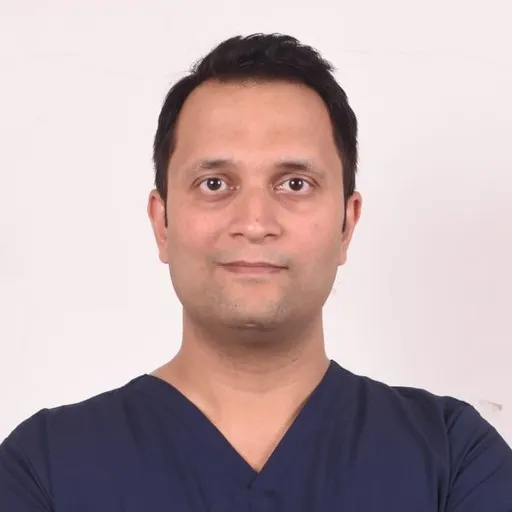
About the Author
Dr. Shailesh Singh is a Senior Consultant Interventional Cardiologist at BLK-Max Super Speciality Hospital, New Delhi, and formerly Consultant at Fortis Escorts Heart Institute. With extensive experience in cardiac electrophysiology and arrhythmia management, he provides comprehensive heart rhythm evaluation and treatment for patients across Delhi NCR.
Learn more about Dr. Singh →Concerned About Your Heart Rhythm?
If you're experiencing palpitations, dizziness, or other symptoms of arrhythmia, don't wait. Dr. Shailesh Singh offers comprehensive heart rhythm evaluation with same-week appointments available.
Hospital: BLK-Max Super Speciality Hospital, New Delhi | Formerly Consultant, Fortis Escorts Heart Institute
Medical Disclaimer: This article is for informational purposes only and should not be considered medical advice. Every patient's situation is unique. Always consult with a qualified healthcare provider for diagnosis and treatment of any medical condition.